arts.
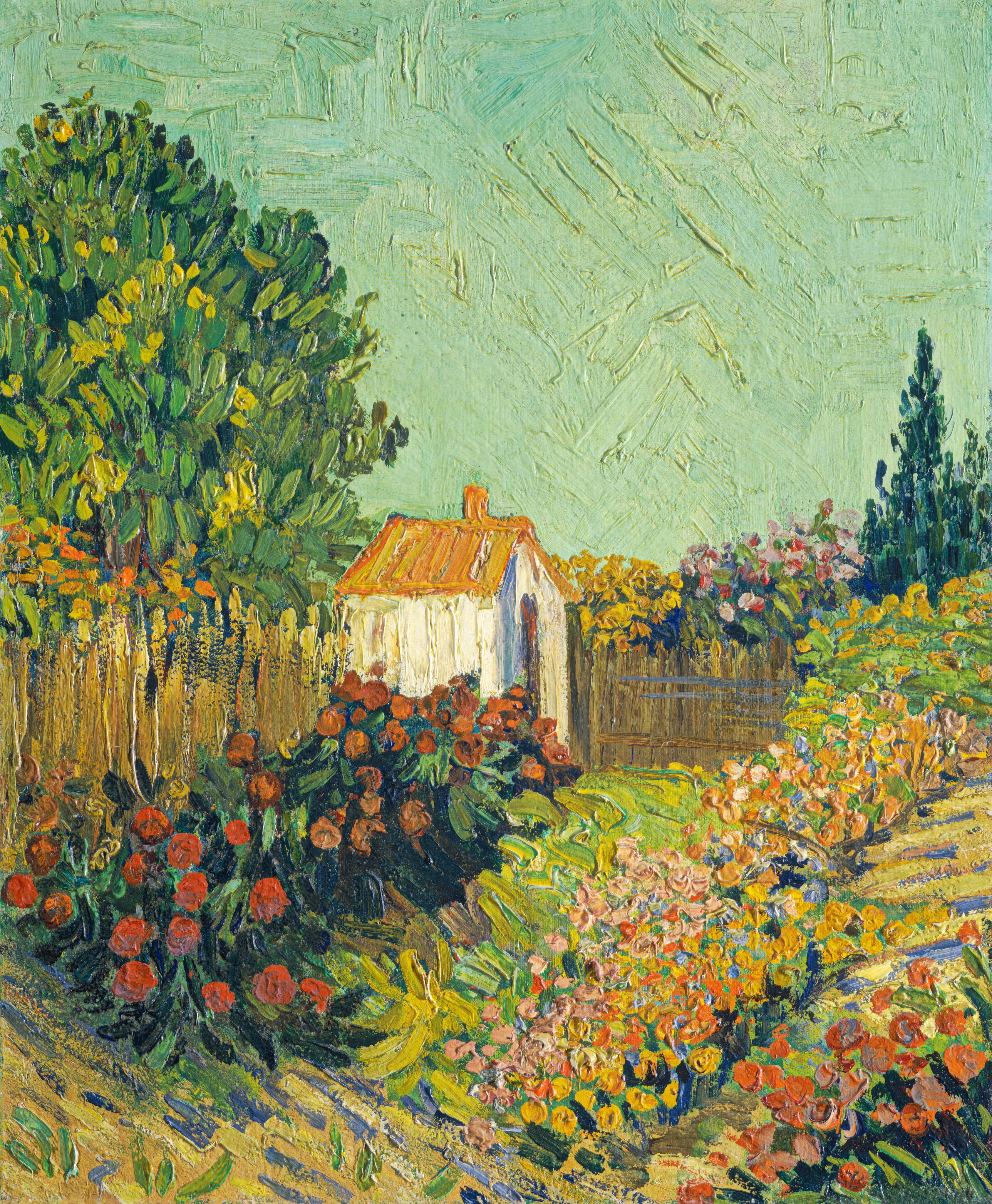
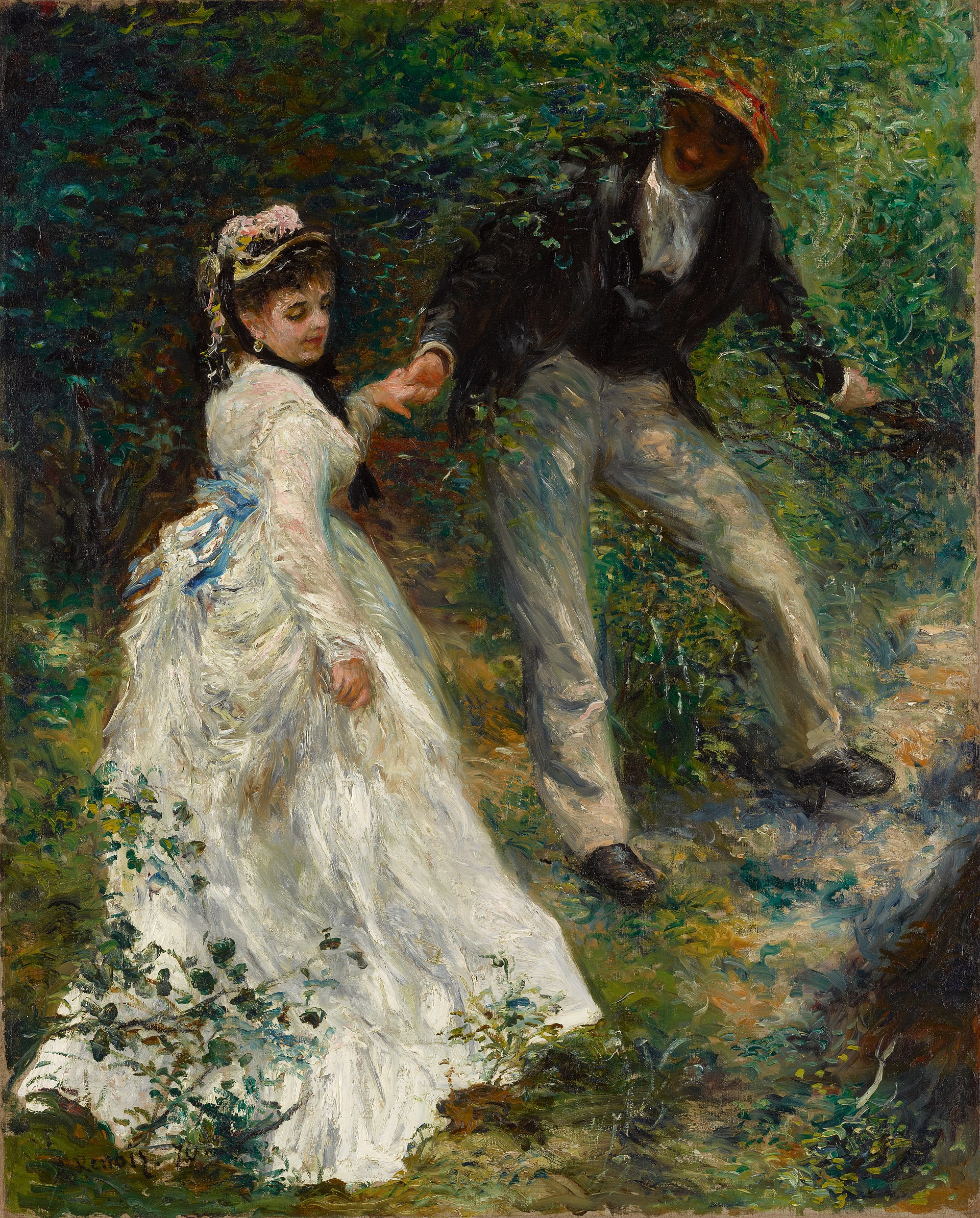
A curated collection of paintings I like. Just observing the shapes, colors, and physical textures that catch my eye.
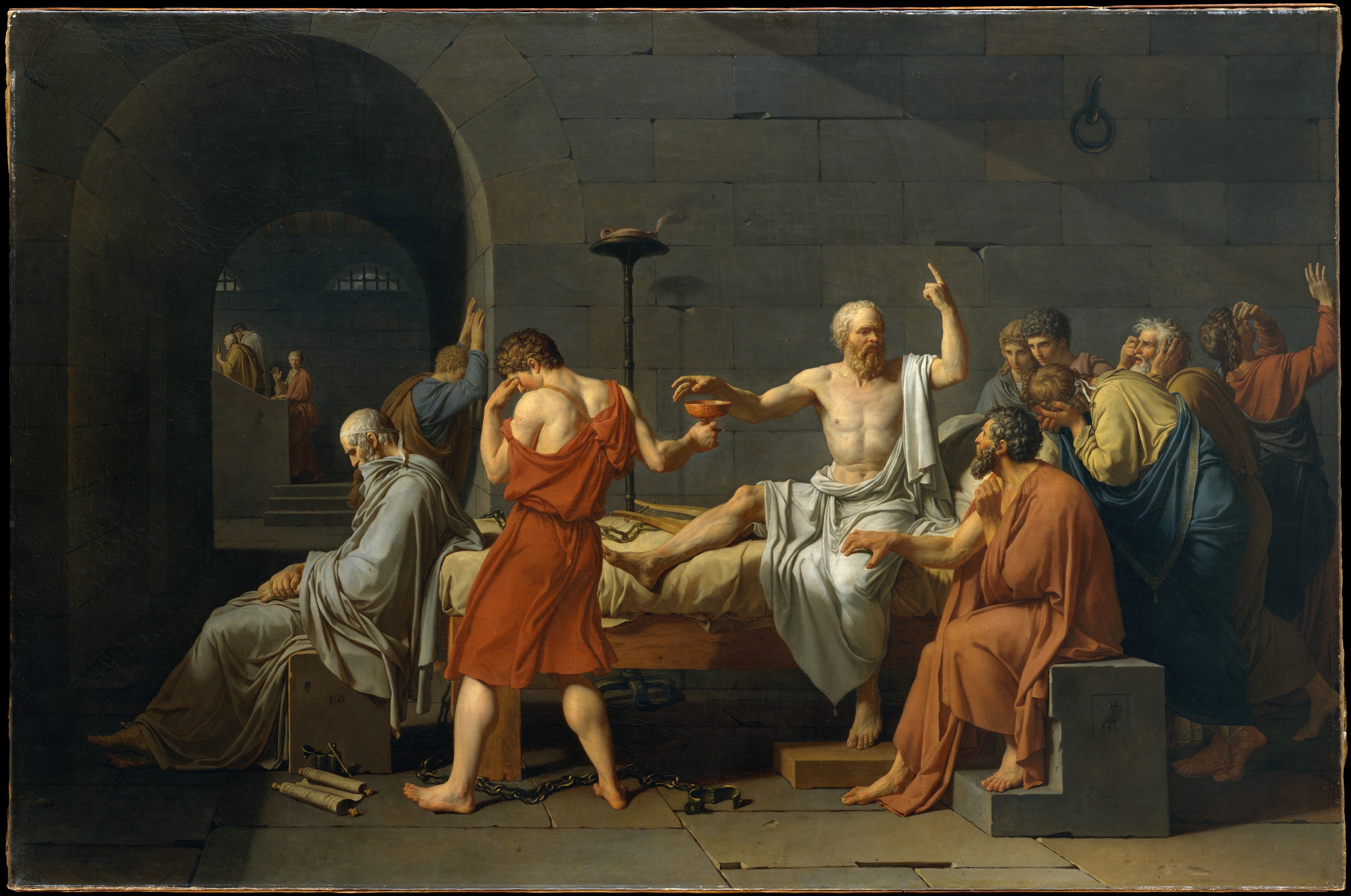
Neoclassicism
A revival of ancient Greek and Roman ideals emphasizing reason, balance, and classical beauty in art, architecture, and thought. Discover how this movement influenced culture, politics, and aesthetics during the Enlightenment and beyond.
"Art does not reproduce the visible; rather, it makes visible."
— Paul Klee
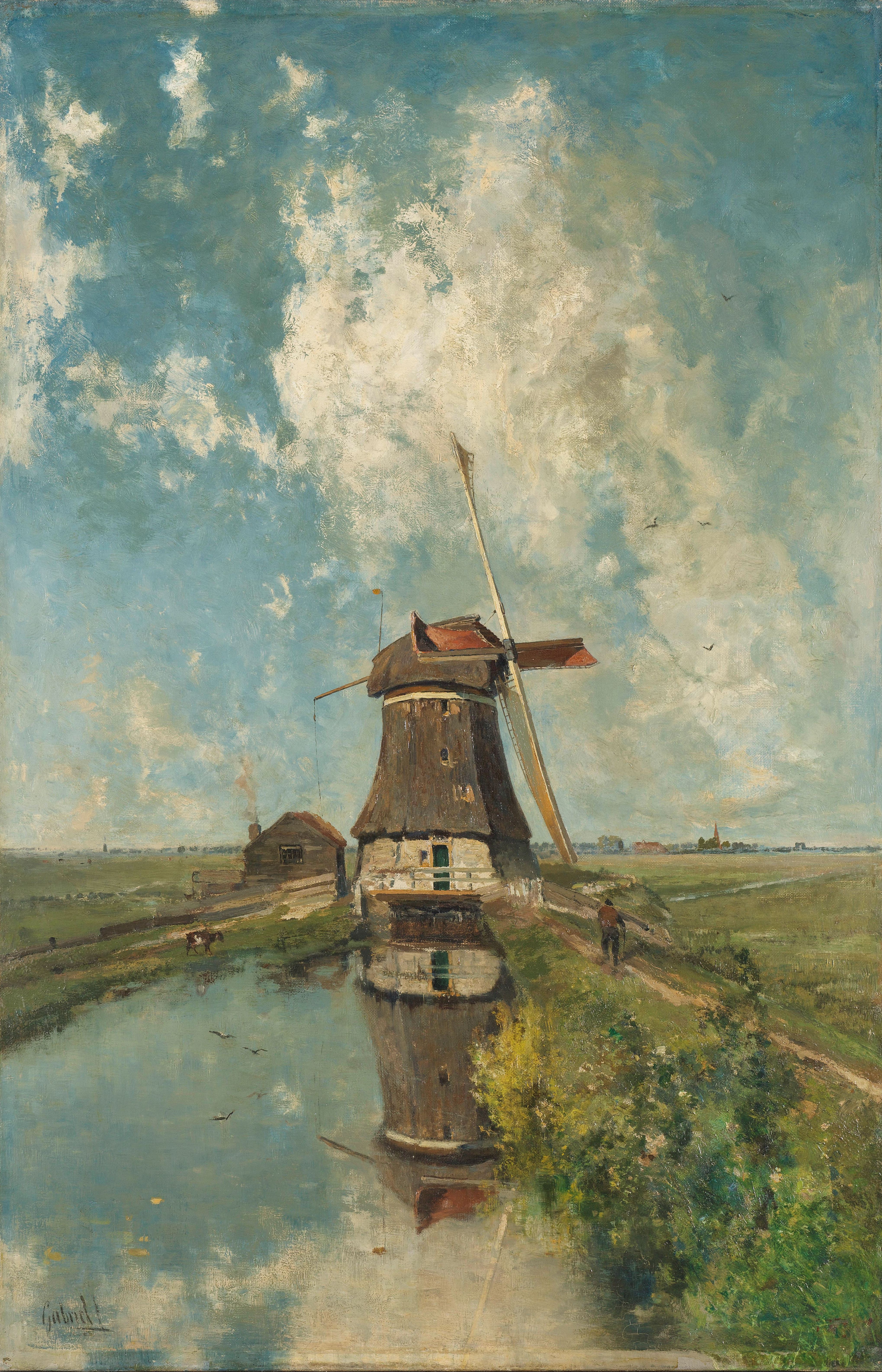
The Power of the Vertical Axis
While landscapes pull our eyes horizontally across a horizon, portrait orientations force us to look up and down. They are inherently human-shaped. When working on a tall canvas, every brushstroke feels like it is either fighting gravity or surrendering to it.


The Indifferent Sublime
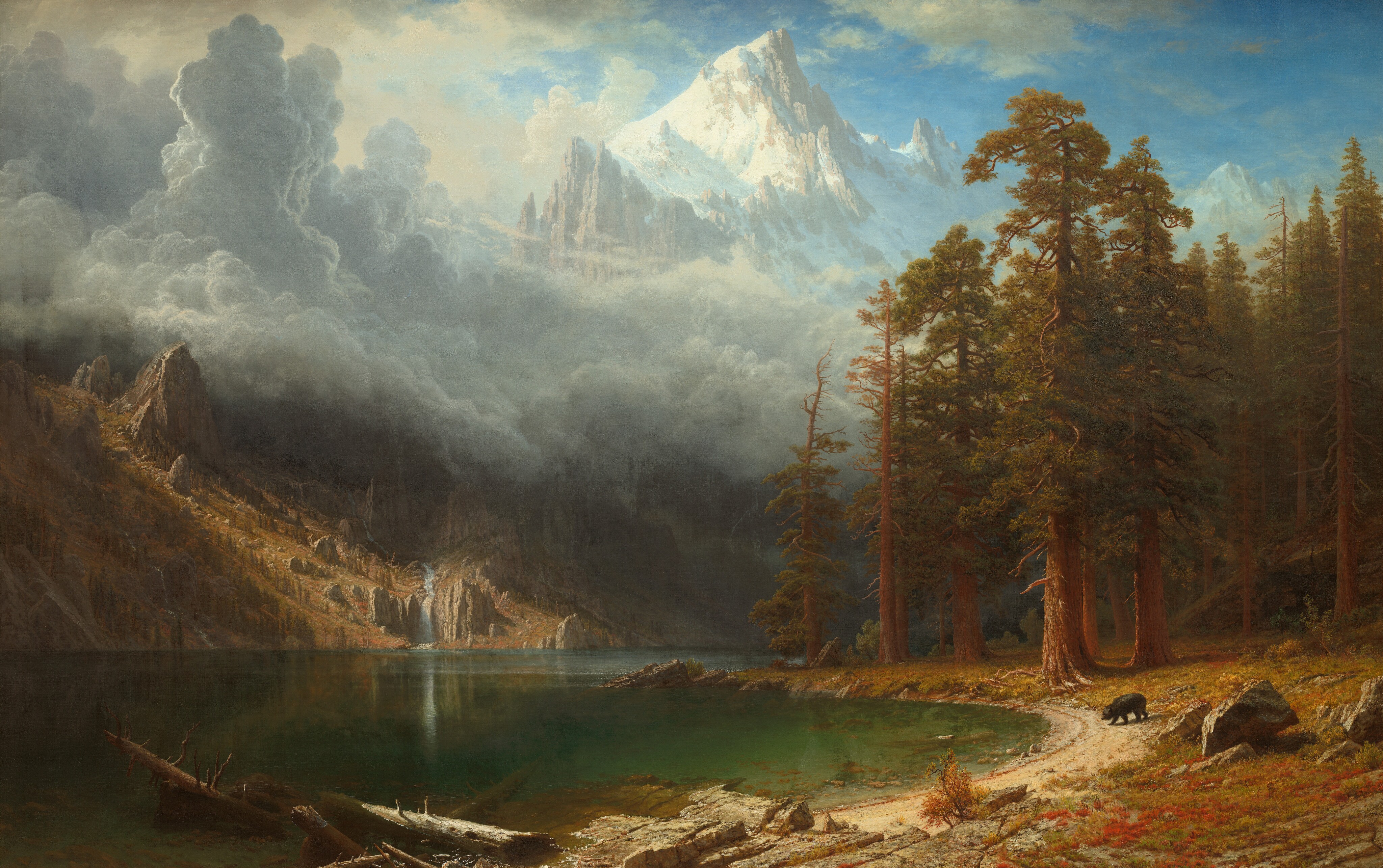
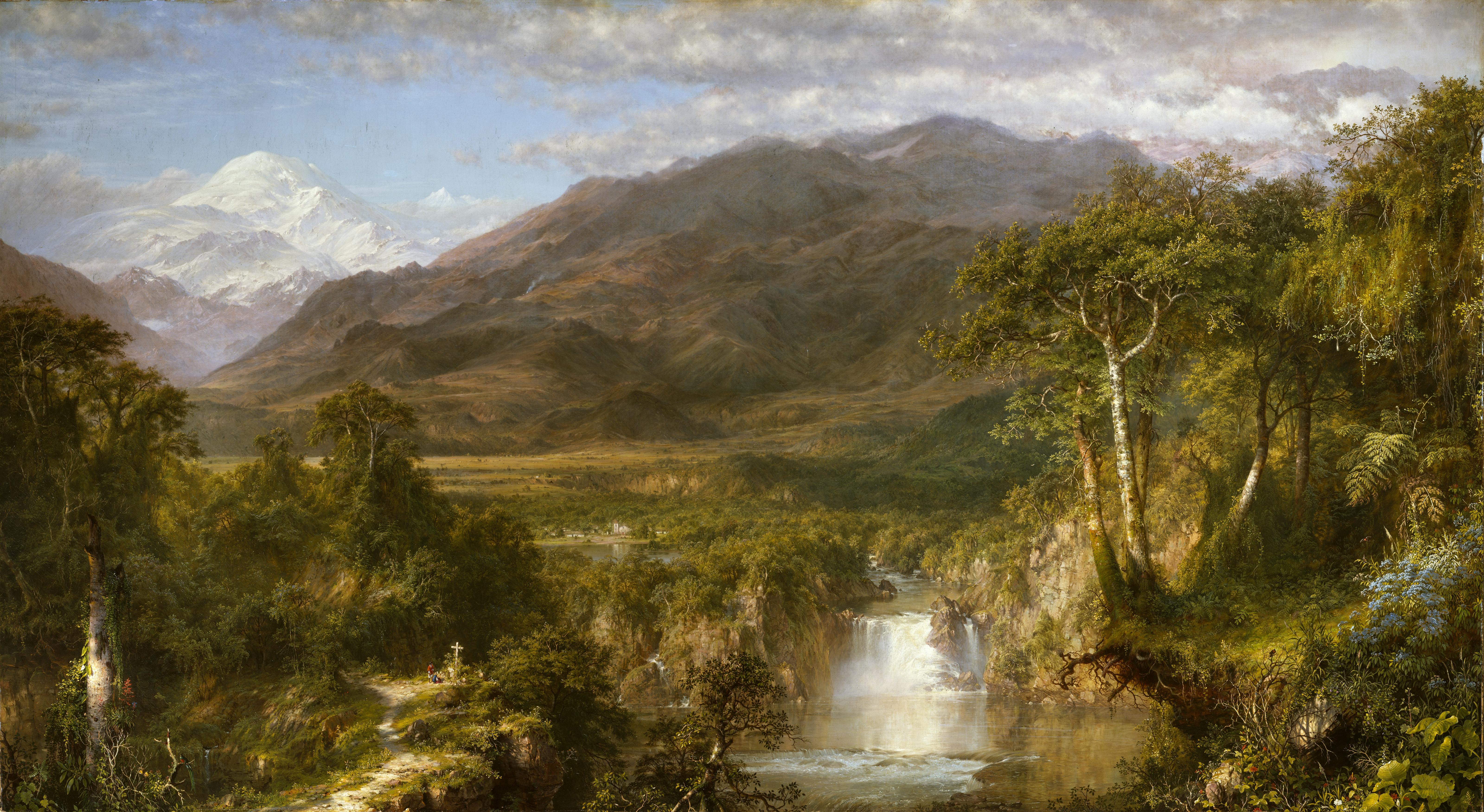
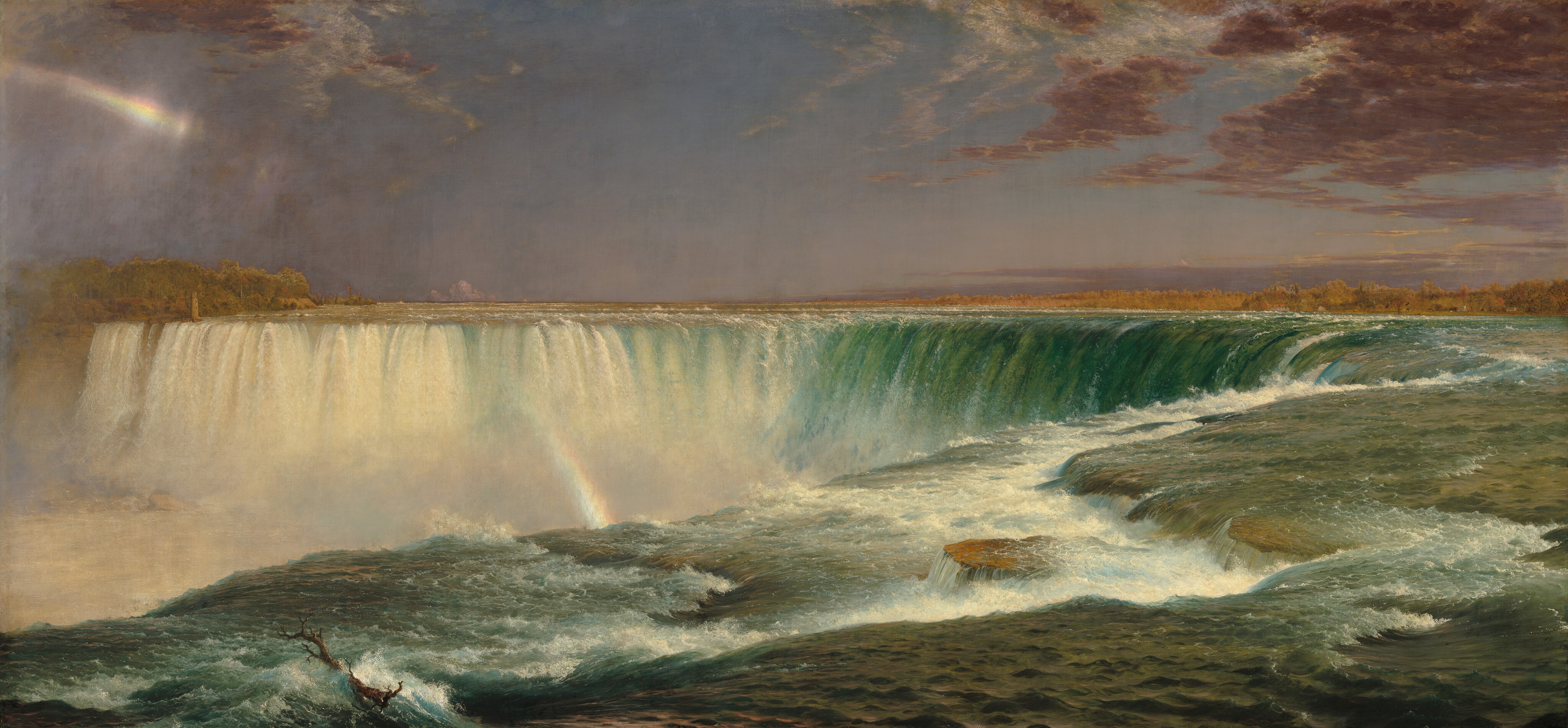
A raw look at the sheer scale of the natural world. This collection captures the quiet realization of our own smallness when faced with heavy treelines, open horizons, and untouched landscapes.
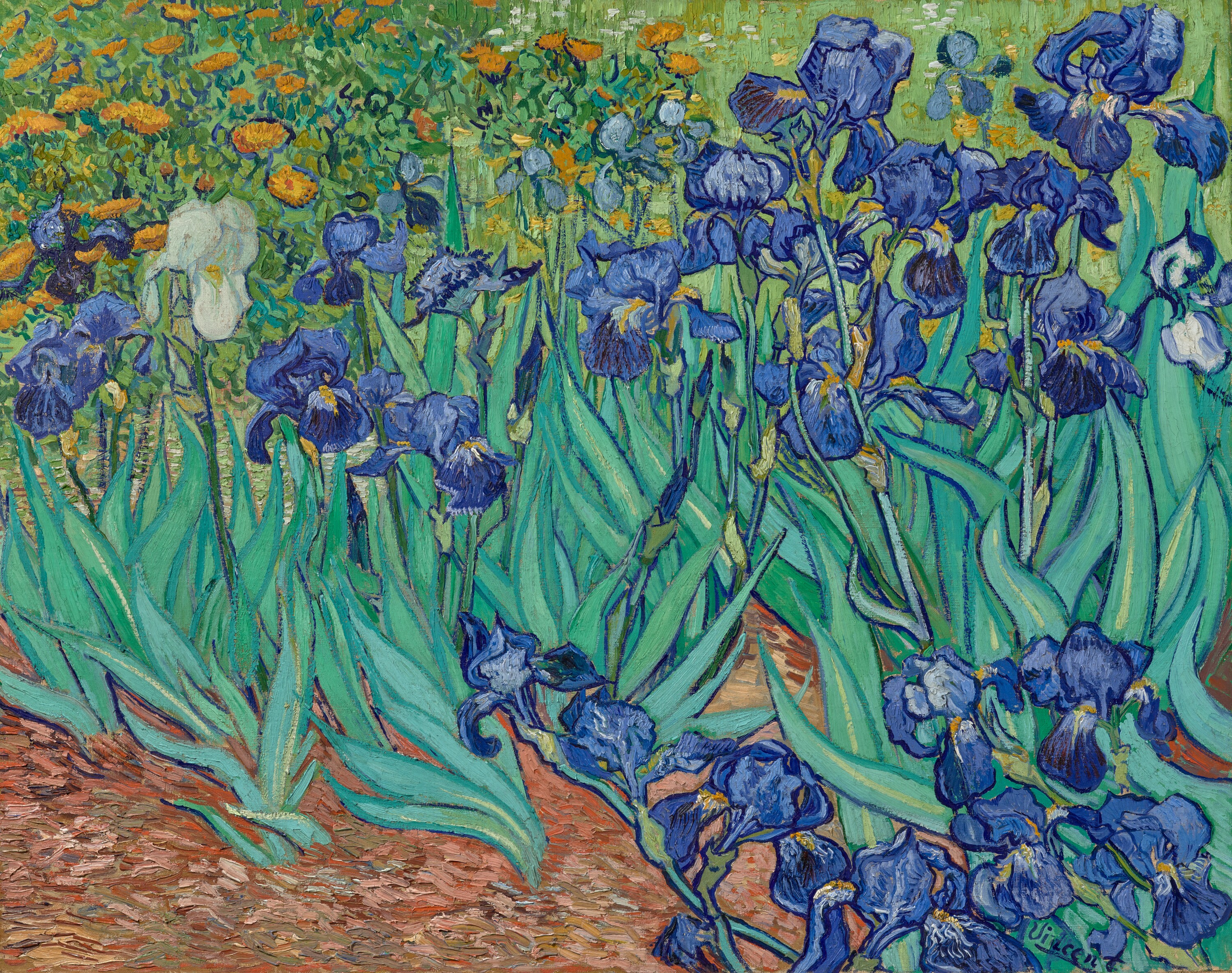
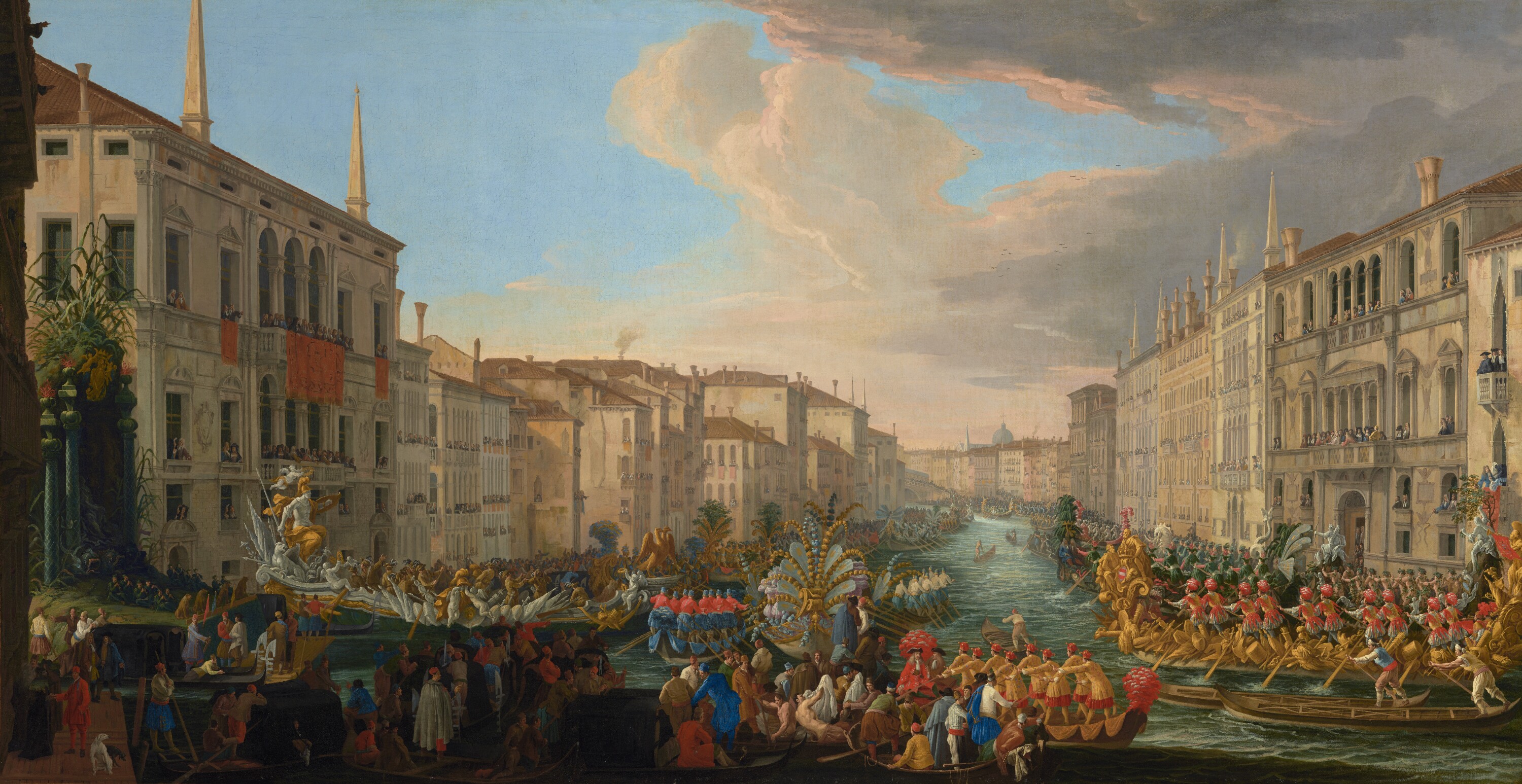
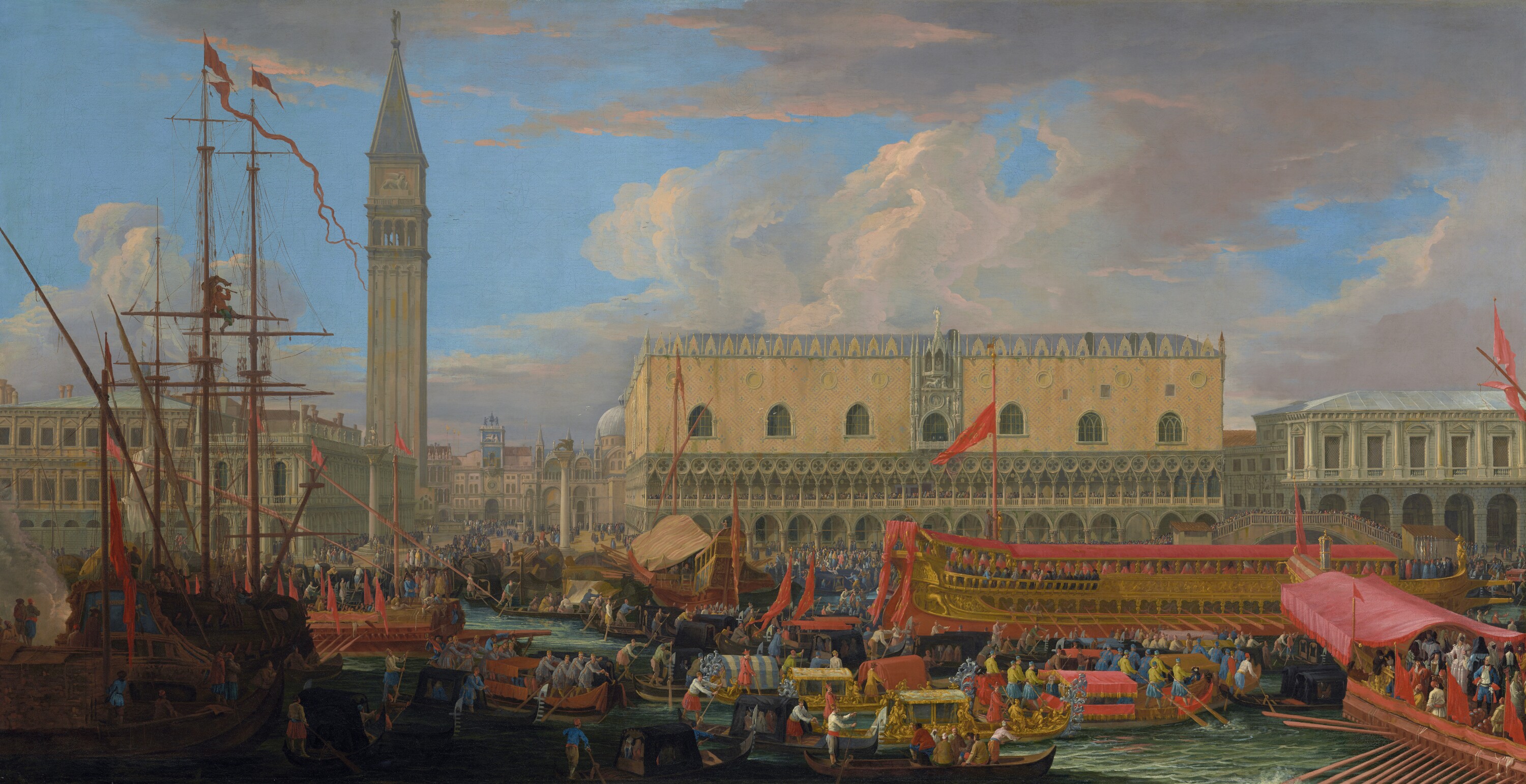
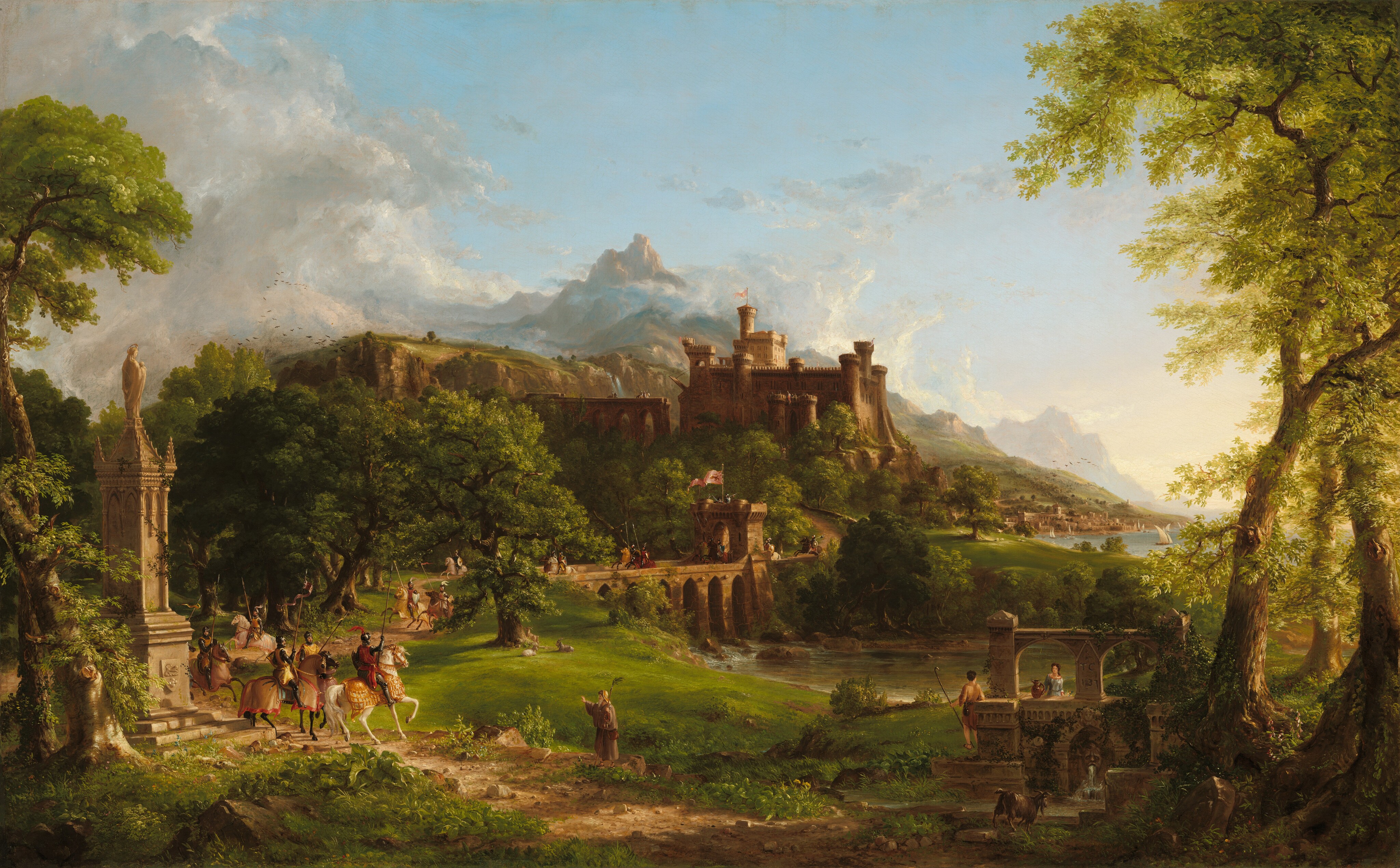
The founder of the Hudson River School, Thomas Cole painted landscapes that feel powerful and timeless. His work sparked my love for this movement and deepened how I see nature, wilderness, and the beauty of the American landscape. There’s something about the scale and emotion in his paintings that makes the land feel almost spiritual. They remind me why the American wilderness has inspired artists and thinkers for generations.

"A painting is never finished, it simply stops in interesting places."
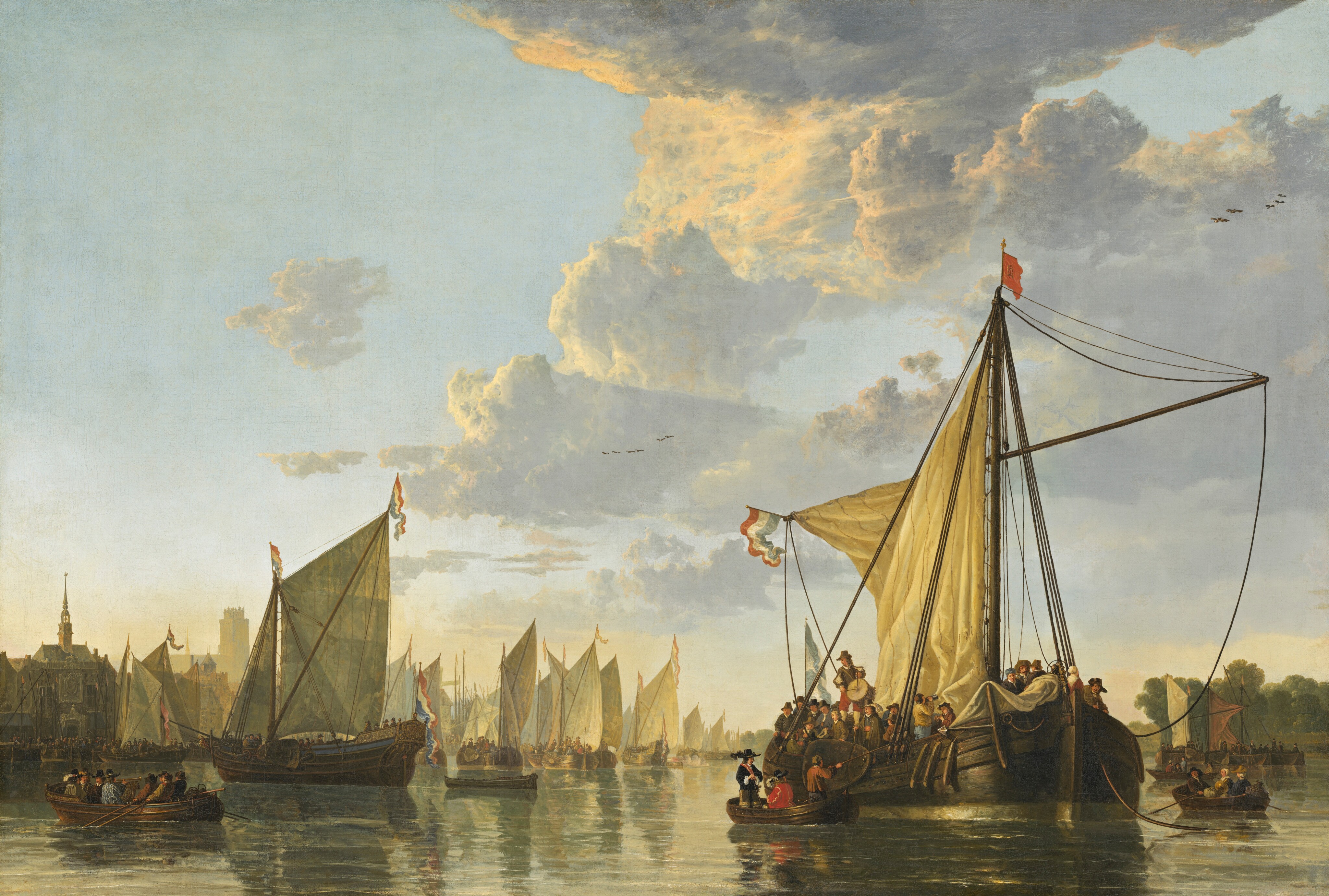
"A painting is complete when it has the shadows of a god."
— Rembrandt van Rijn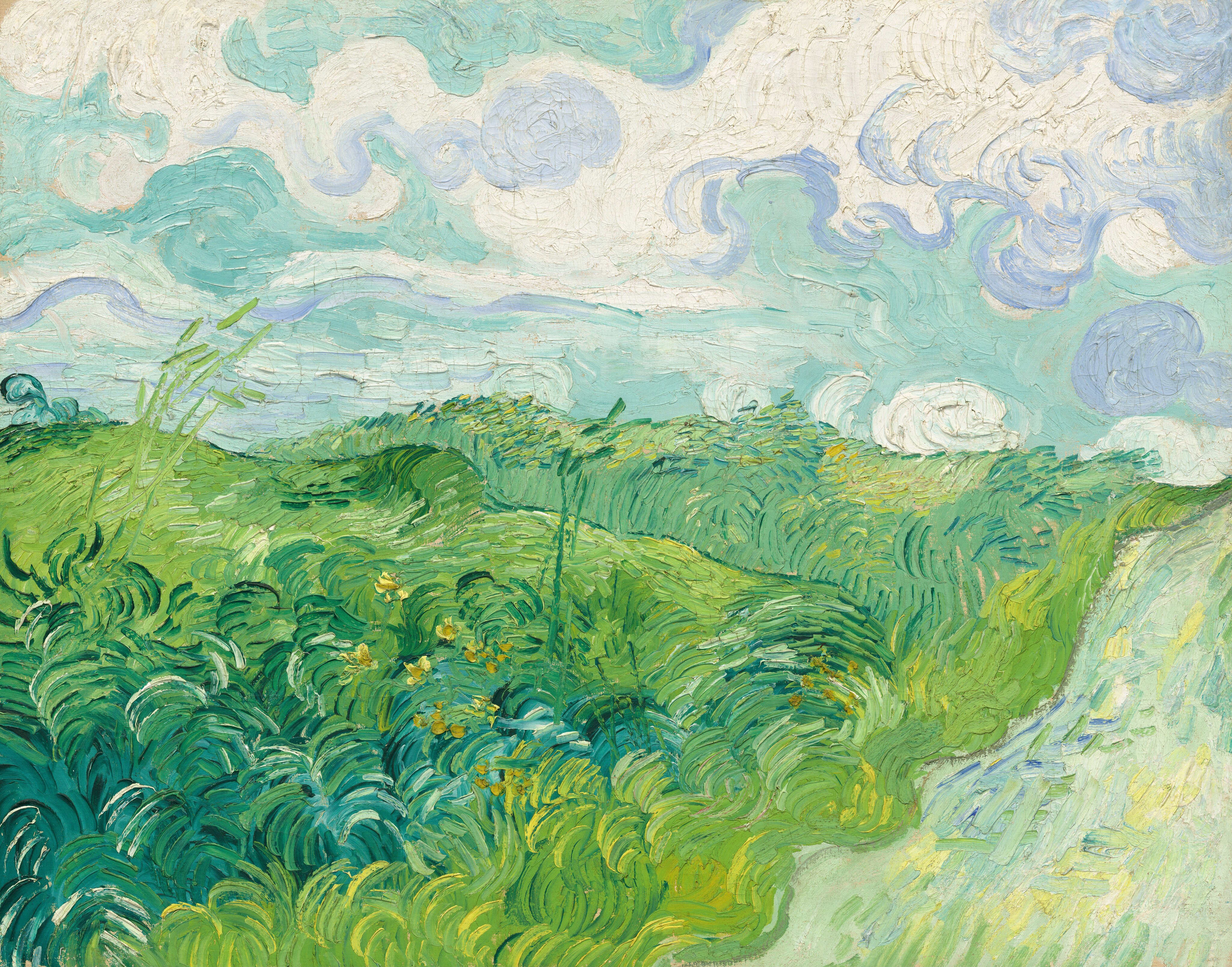
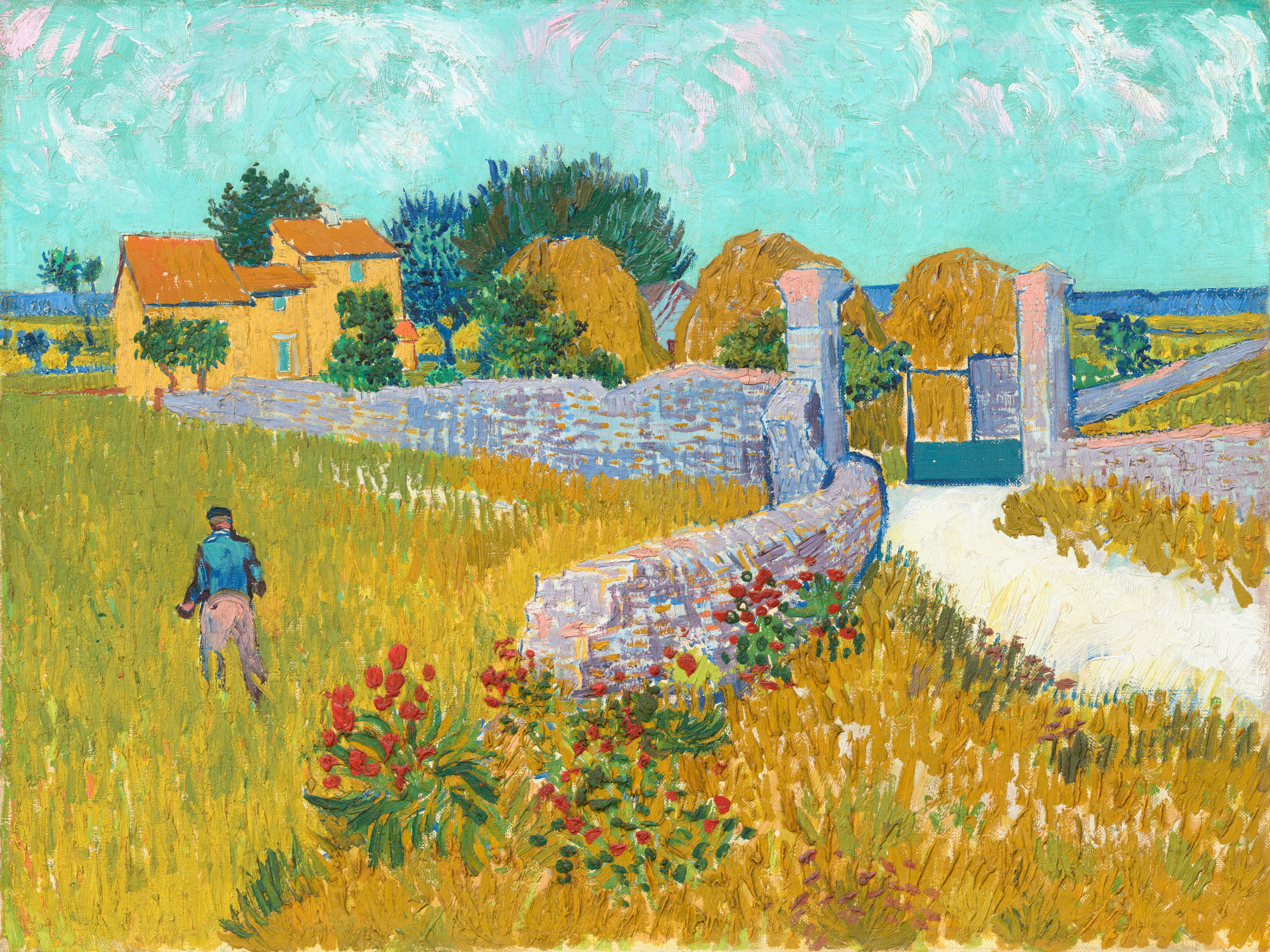
One of the key figures of Impressionism, Camille Pissarro painted everyday life, villages, and landscapes with warmth and quiet beauty. His work made me appreciate the small, ordinary moments people often overlook. There’s a calm, human feeling in his paintings that I find really grounding. They remind me that art doesn’t always have to be grand to be meaningful.

 Notes
Notes The Quiet Decay
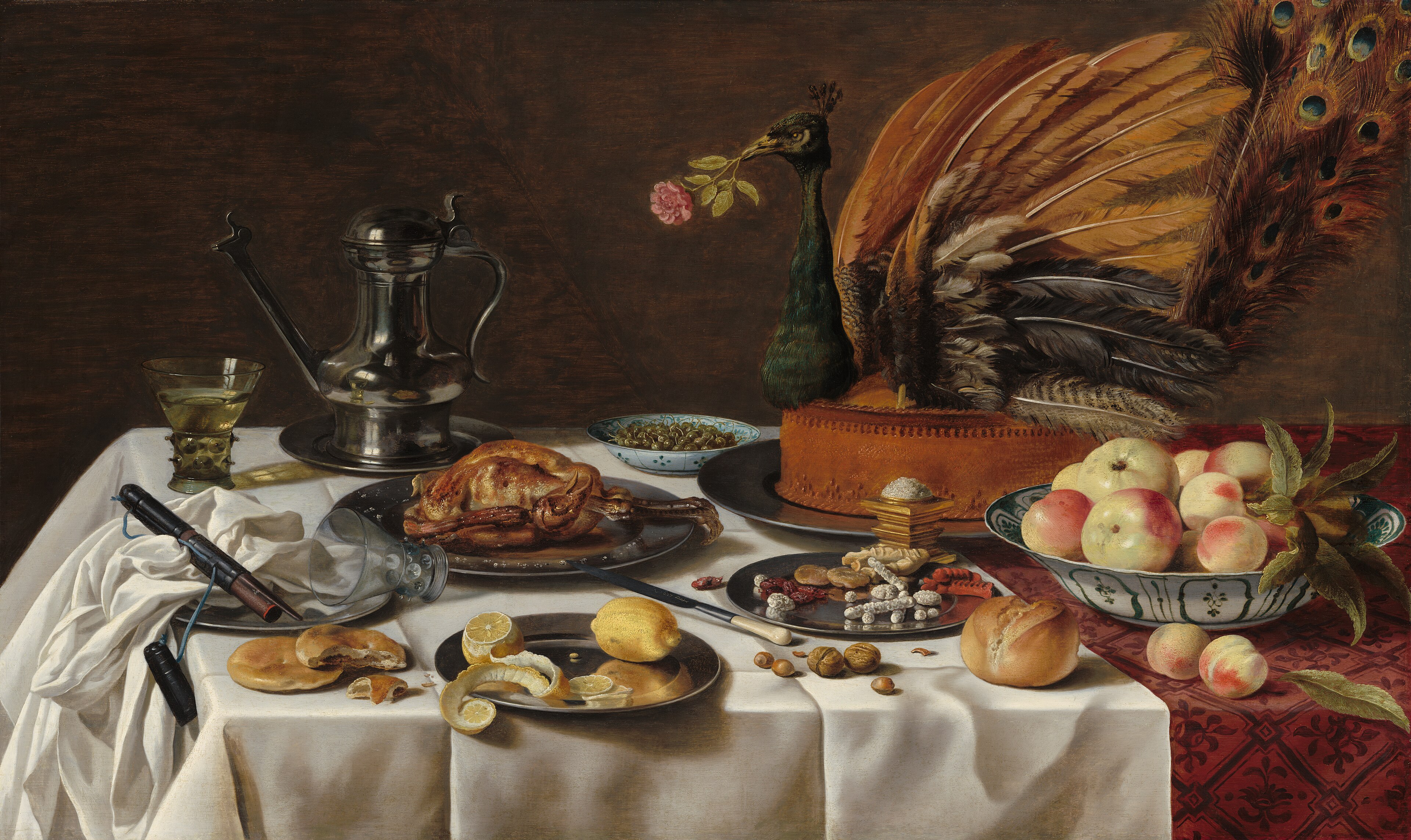
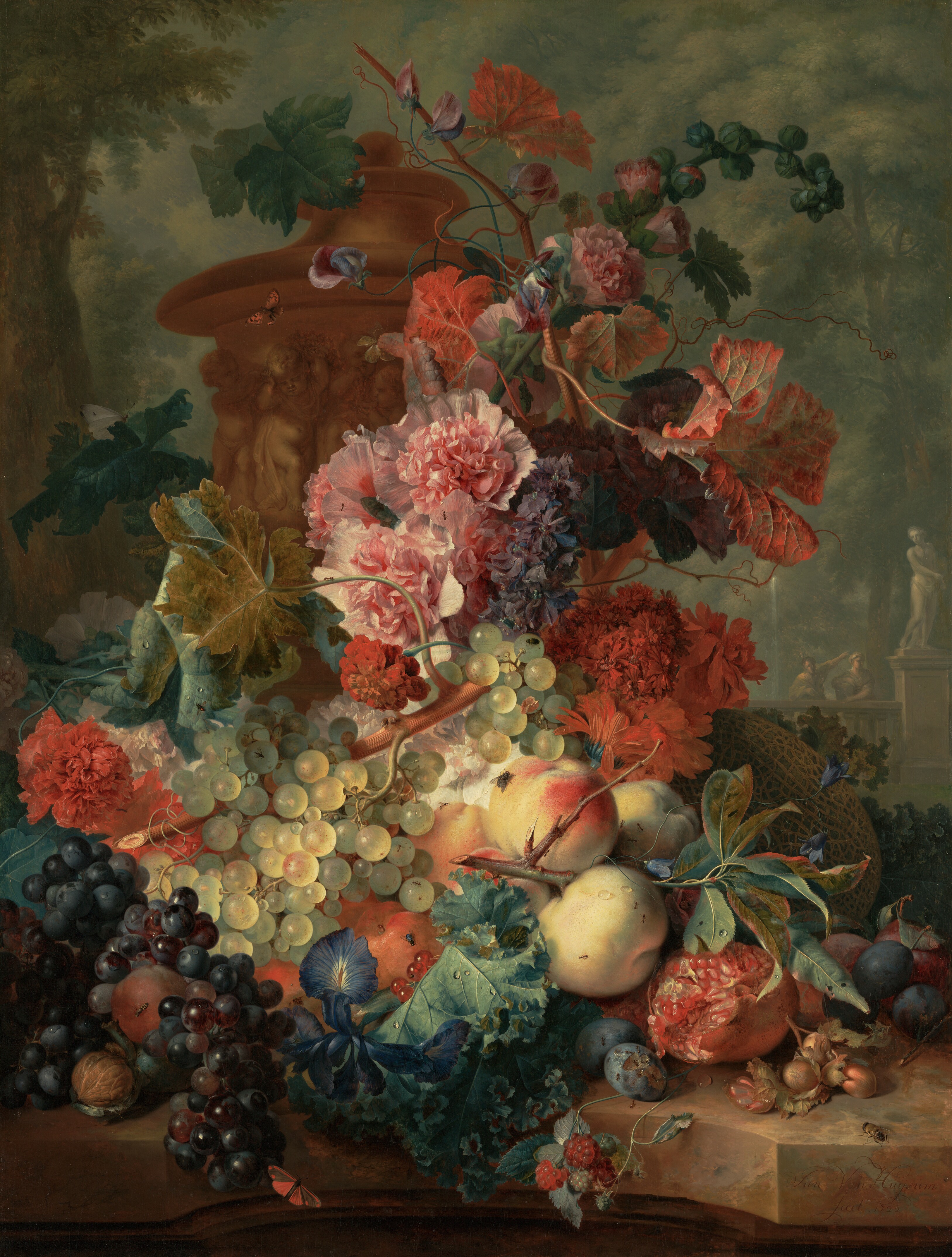
A meticulous study of wealth, temporality, and the inevitable fading of all physical things. These pieces use heavy, dark baroque shadows to contrast the fragile, hyper-realistic beauty of peeling fruit, wilting florals, and polished silver. It serves as a beautiful but stark reminder that no matter how much we accumulate, time eventually reclaims it all.
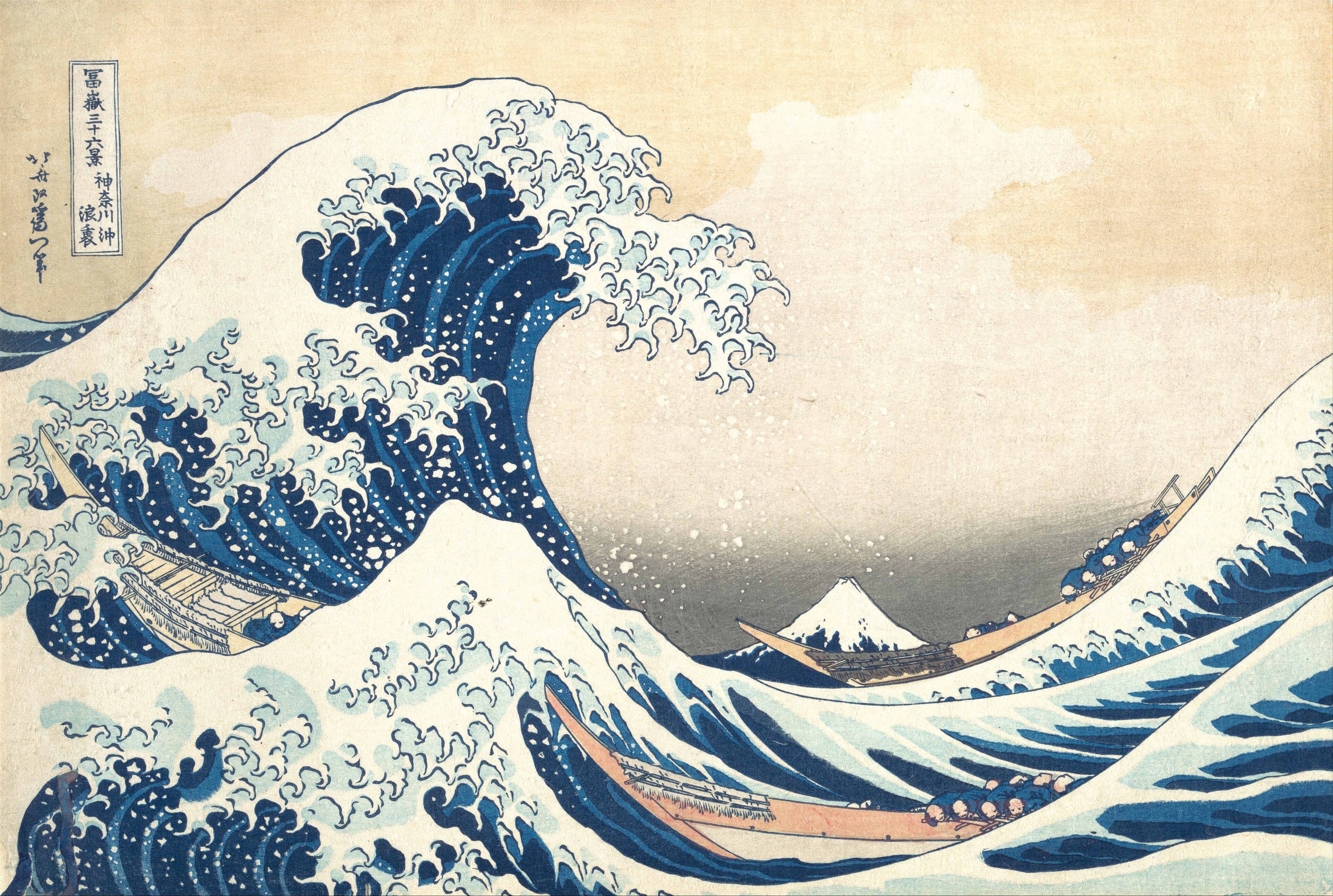
Hokusai
In his famous series Thirty-Six Views of Mount Fuji, Hokusai captured Mount Fuji from different places, seasons, and moments of daily life. I love how his prints make Fuji feel both powerful and present in everyday scenes.
The Study of Light
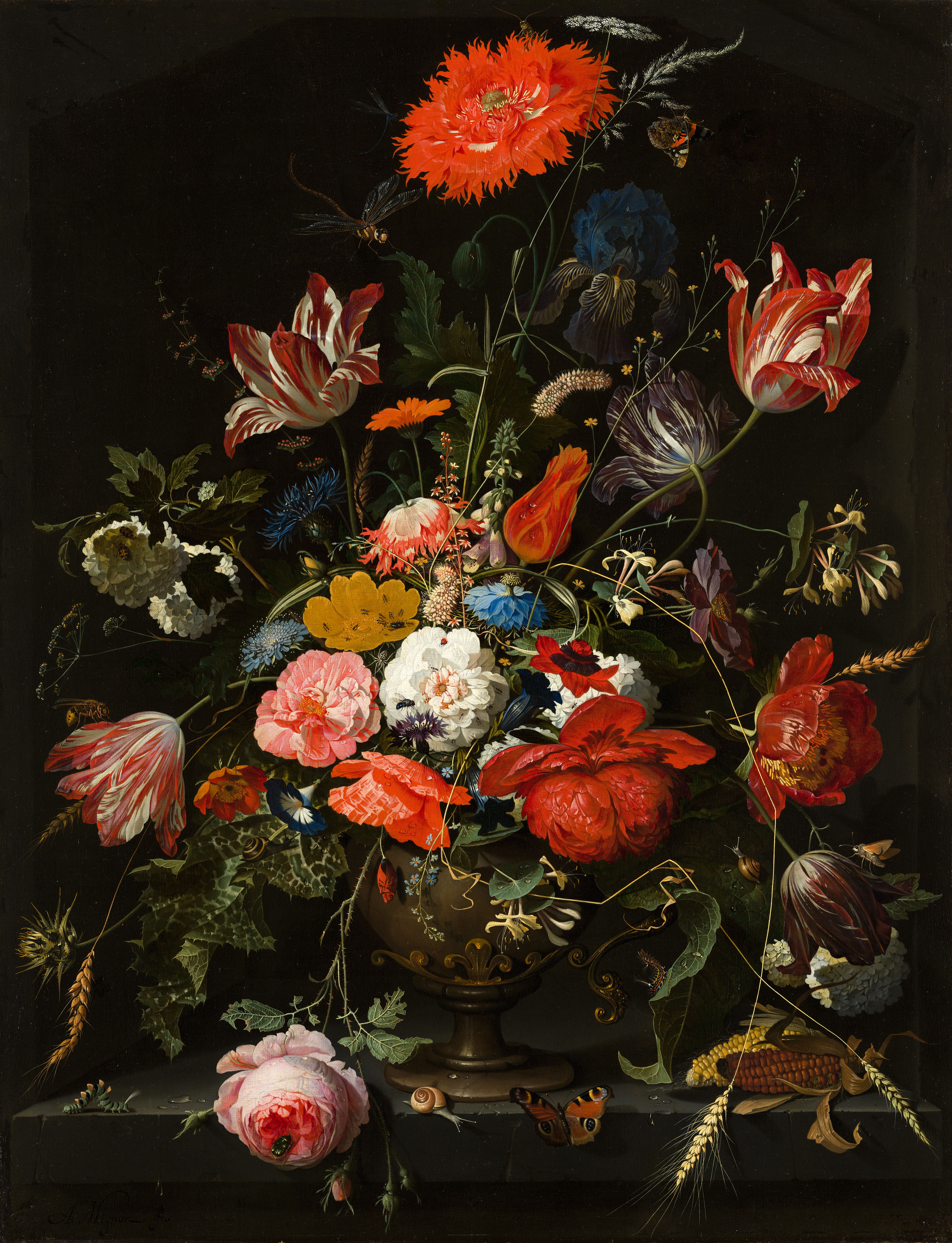
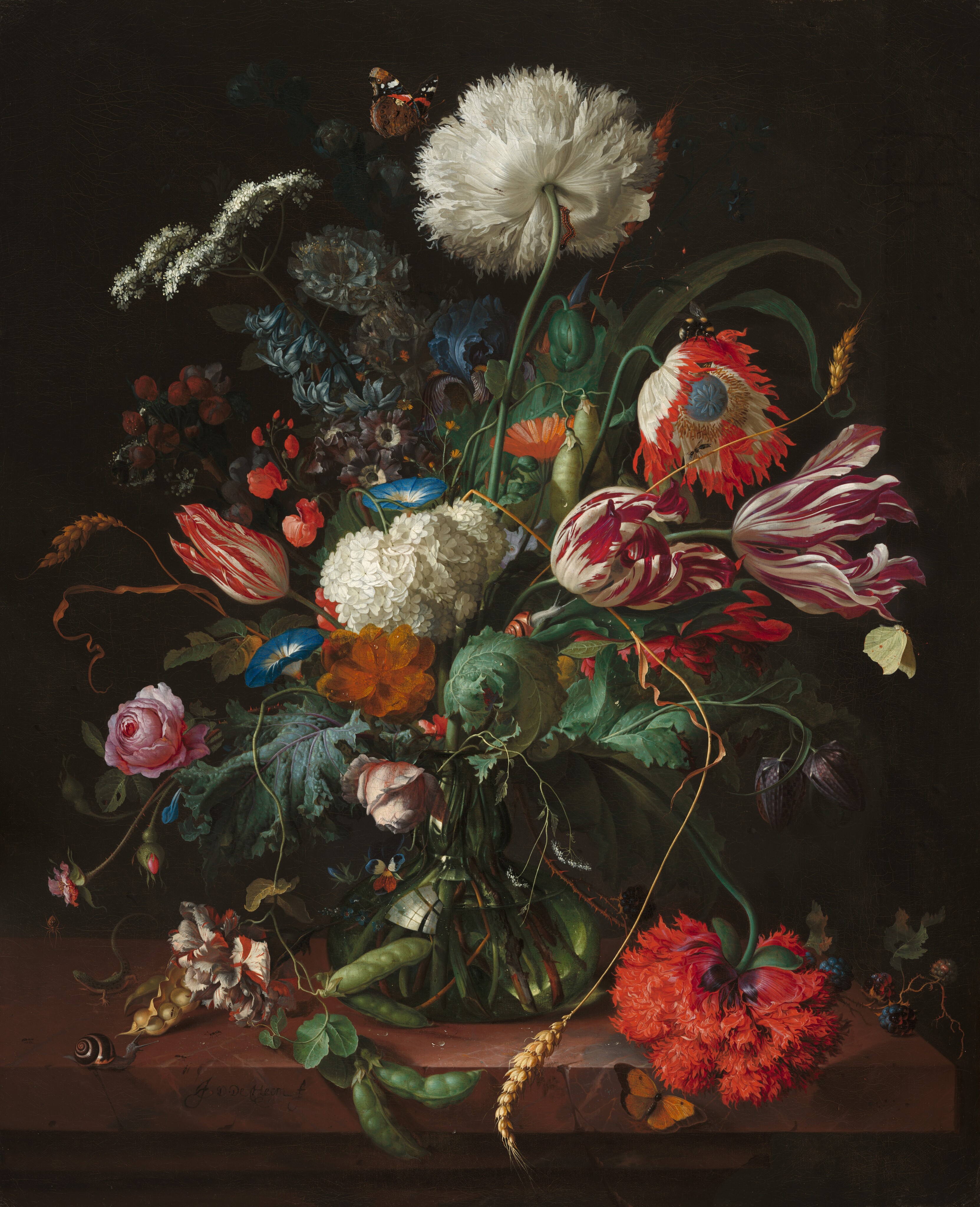
Notice how de Heem demonstrates a masterful command of light that feels almost tangible. Notice how the artist uses extreme contrast in the upper right quadrant: the interplay between the deepest shadow and the pure white highlight creates a visceral sense of morning light piercing through the darkness. This illumination does not merely reveal the flowers—it animates them, giving petals a velvety softness, glass a cool transparency, and droplets a fleeting, living sparkle. The light feels directional and intentional, as if a window has just been opened, allowing dawn to spill across the arrangement. At the same time, the surrounding darkness heightens the drama, pushing the bouquet forward into our space and making the scene feel intimate yet theatrical. The result is both naturalistic and symbolic, a reminder of beauty’s fragility and the quiet passage of time captured in a single, luminous moment.
- Medium: Oil on Wood
- Era: Late 19th Century
- Scale: 24" x 36"
The Living Canvas
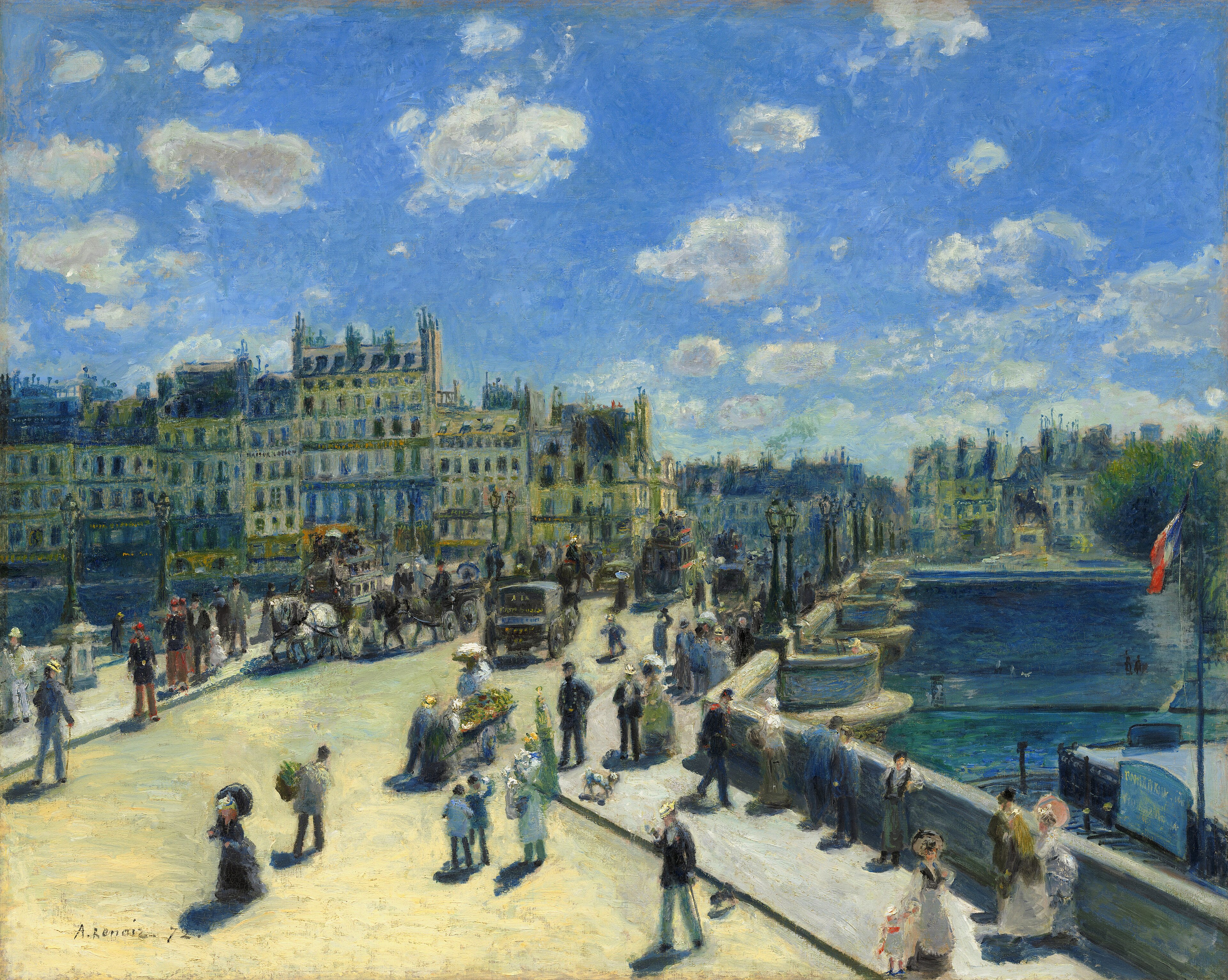
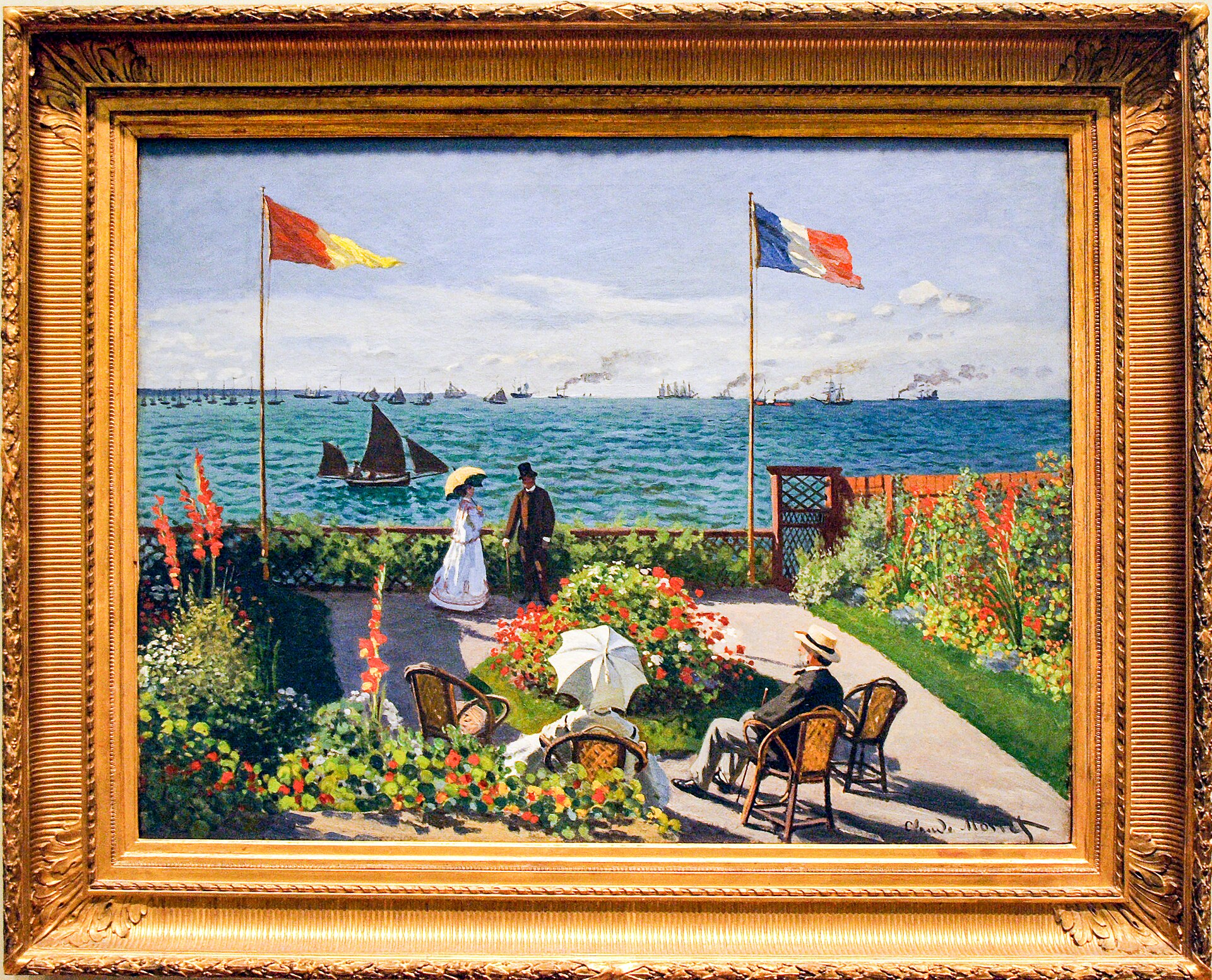
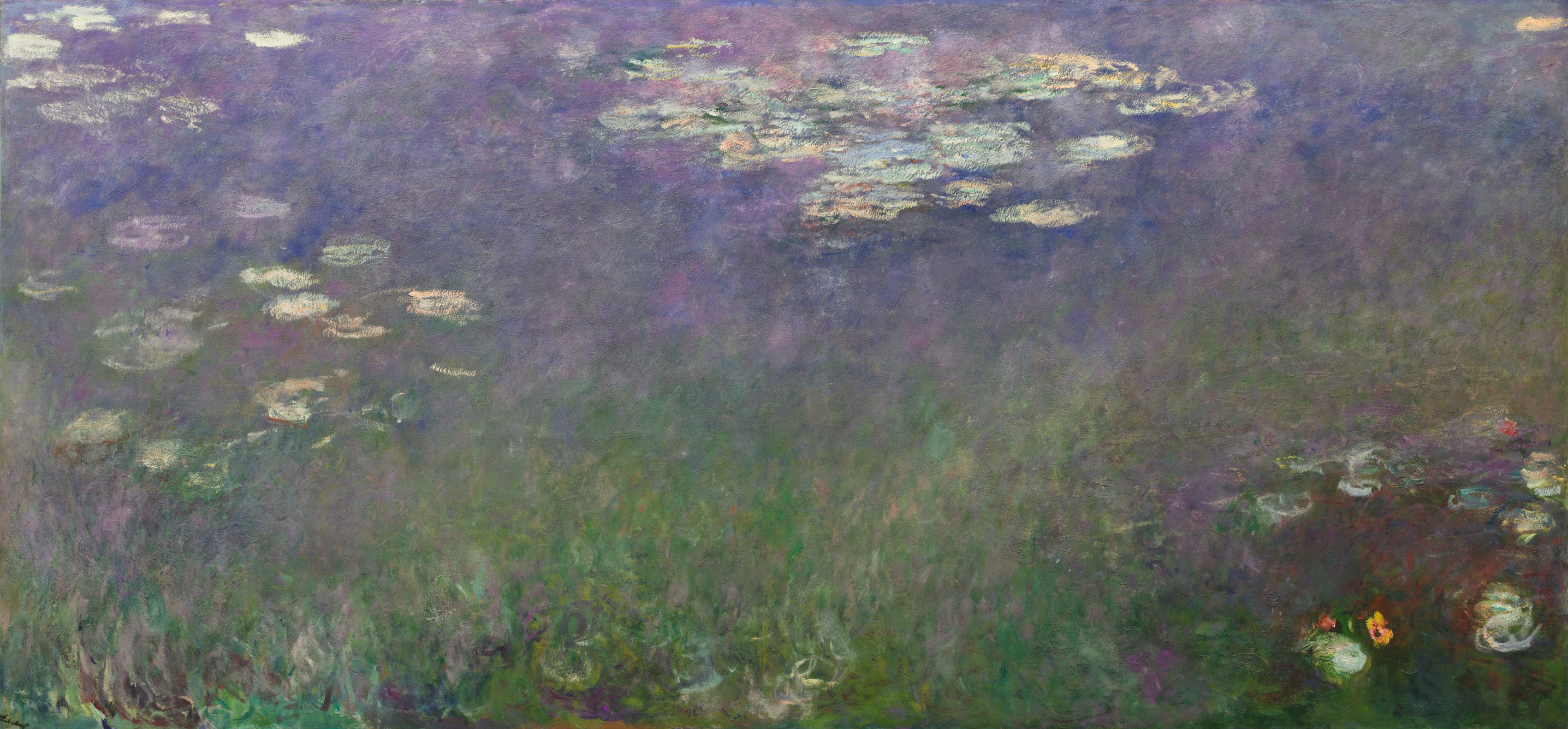
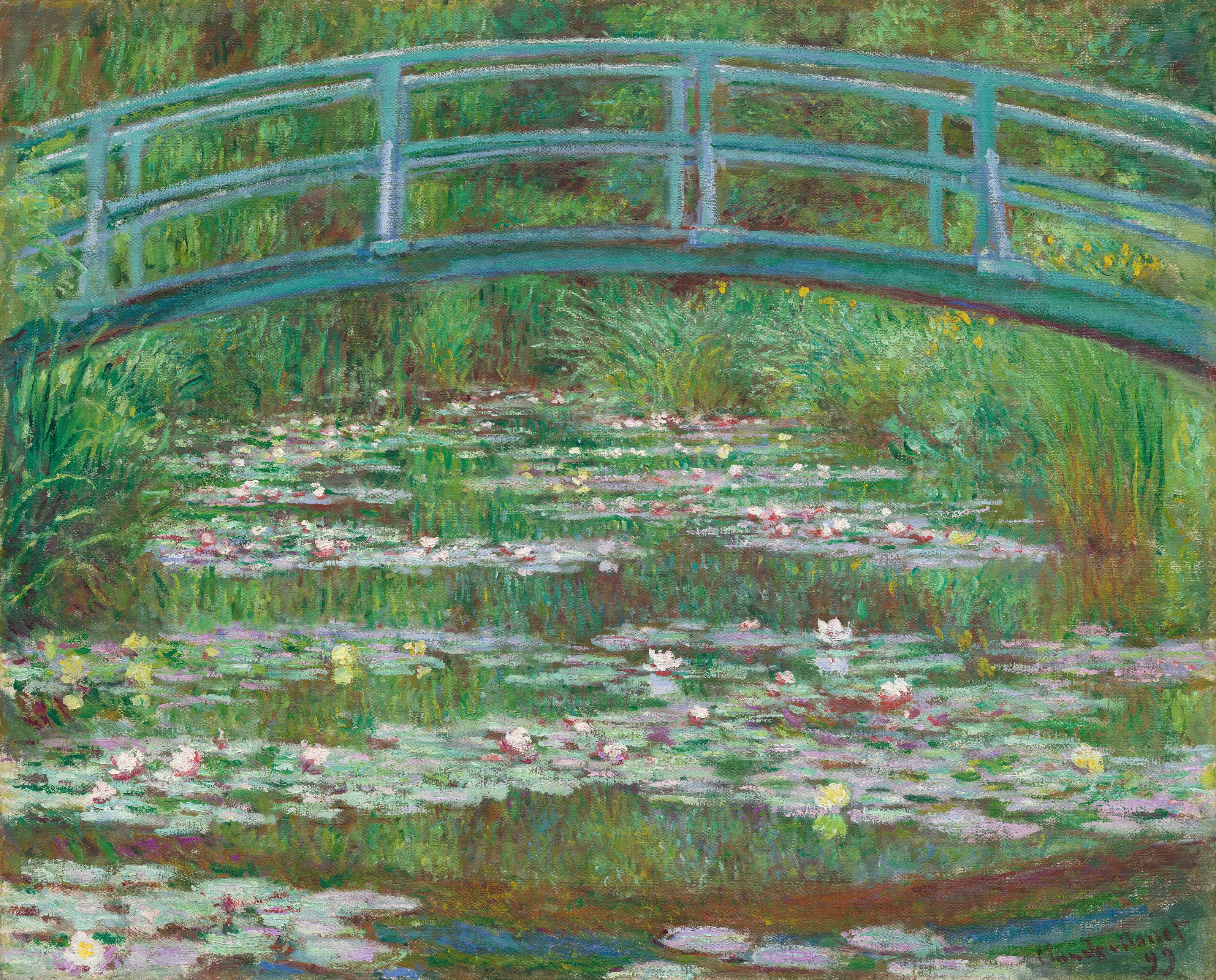
A deliberate rejection of the static, frozen-in-time nature of traditional art in favor of a canvas that feels like it is actually breathing. These wildly colorful works prioritize the illusion of movement—the wind hitting a lily pond, or the sun shifting across a field—over perfect anatomical accuracy. It is a beautiful, loud reminder that the natural world is never sitting still, and our perception of it is always shifting.
01. Observation
Art begins before the brush touches the canvas. It starts by noticing how the light hits a coffee cup or the texture of concrete.
02. Structure
Blocking out the heavy shapes. This is where the skeleton of the piece is built, often messy, but absolutely necessary.
03. Rendering
The final layer where color and light begin to sing. It is an exercise in knowing exactly when to walk away.

The Dark Reflection
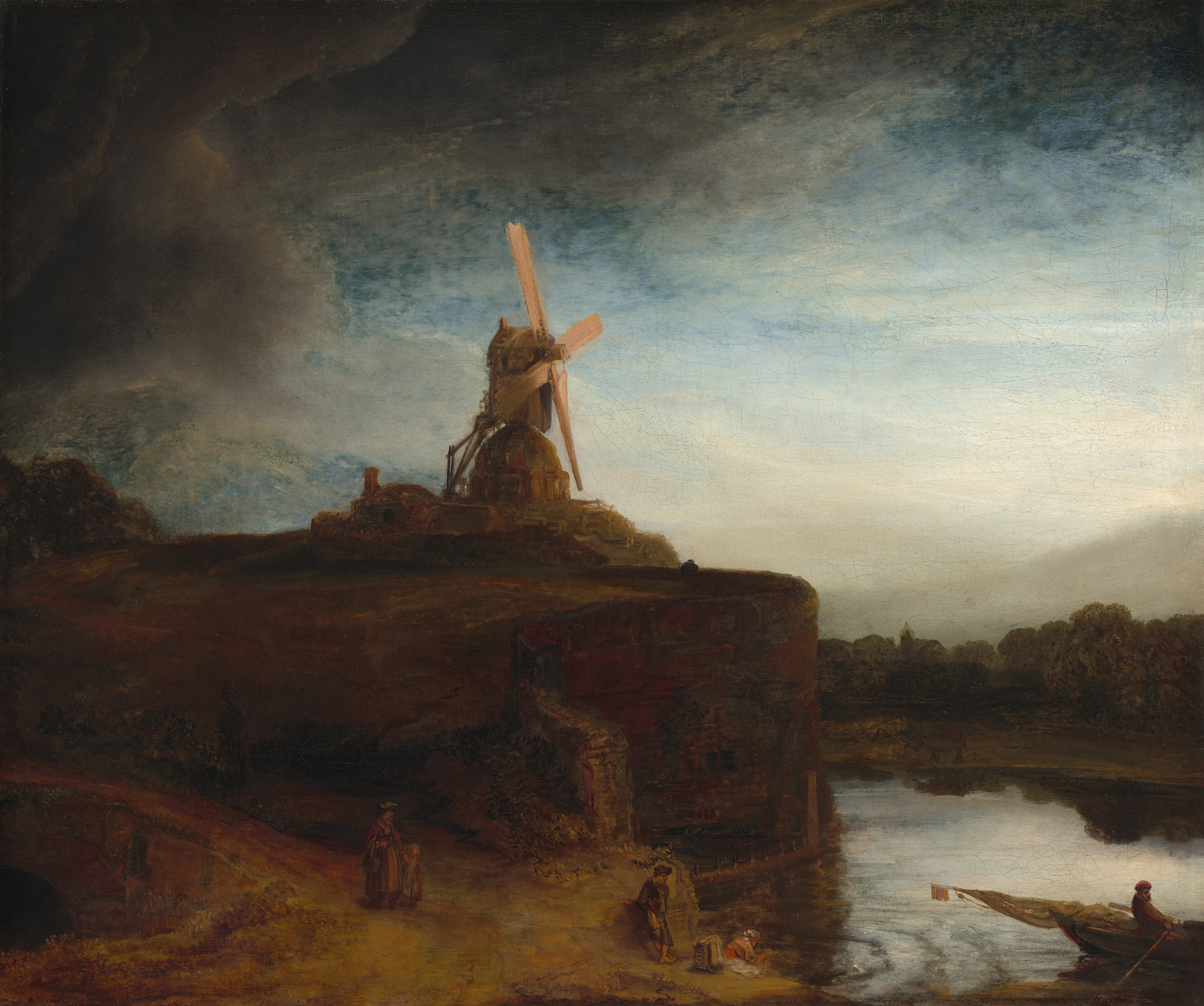
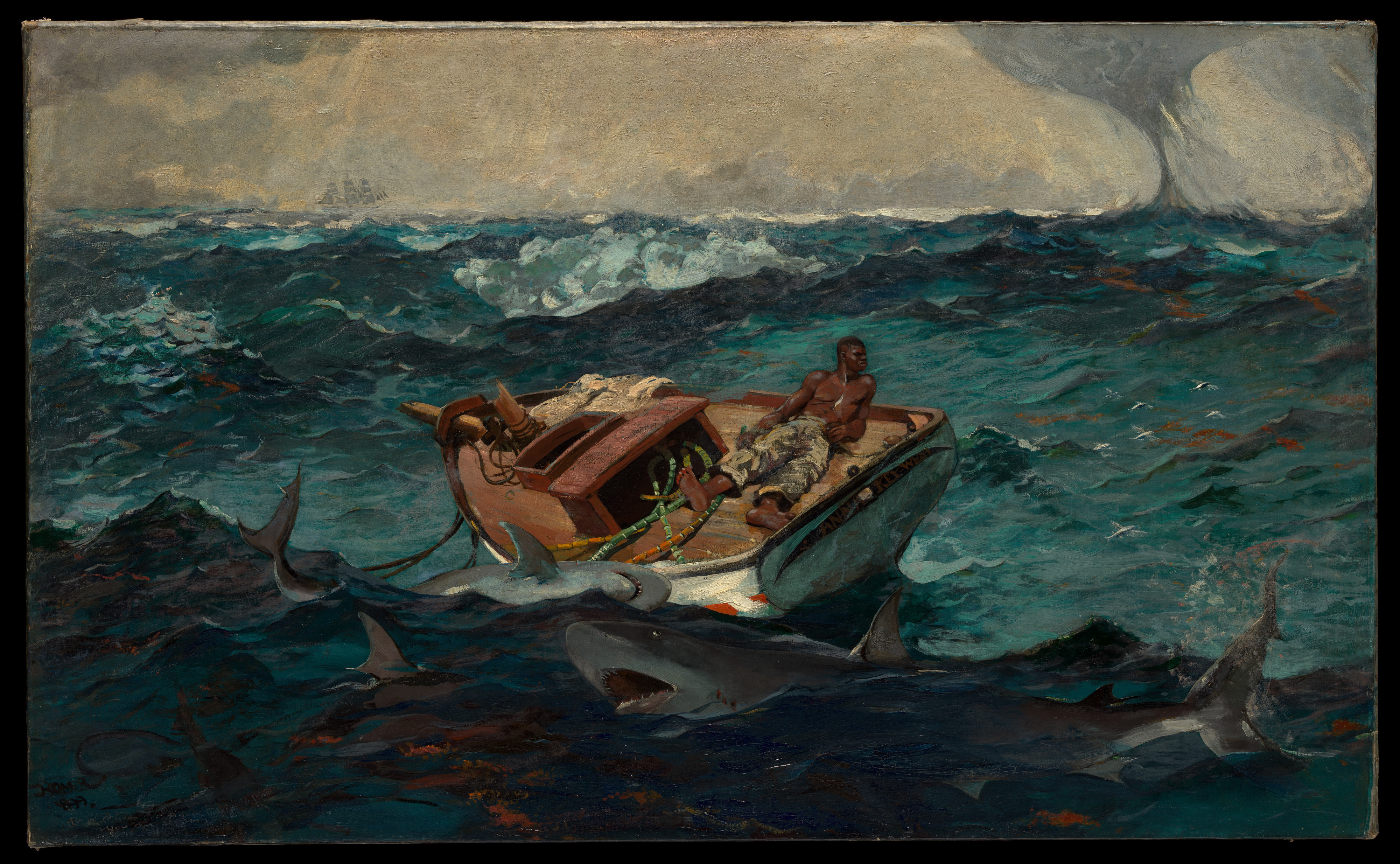
Exploring the deep, heavy isolation of open oceans and completely still, black lakes. The surface acts as a perfect mirror to the sky, while hiding an entirely alien, suffocating expanse just beneath the tension of the water. It’s a visual reminder of the sheer scale of the unknown, balancing surface-level calm with a lingering sense of underlying dread.
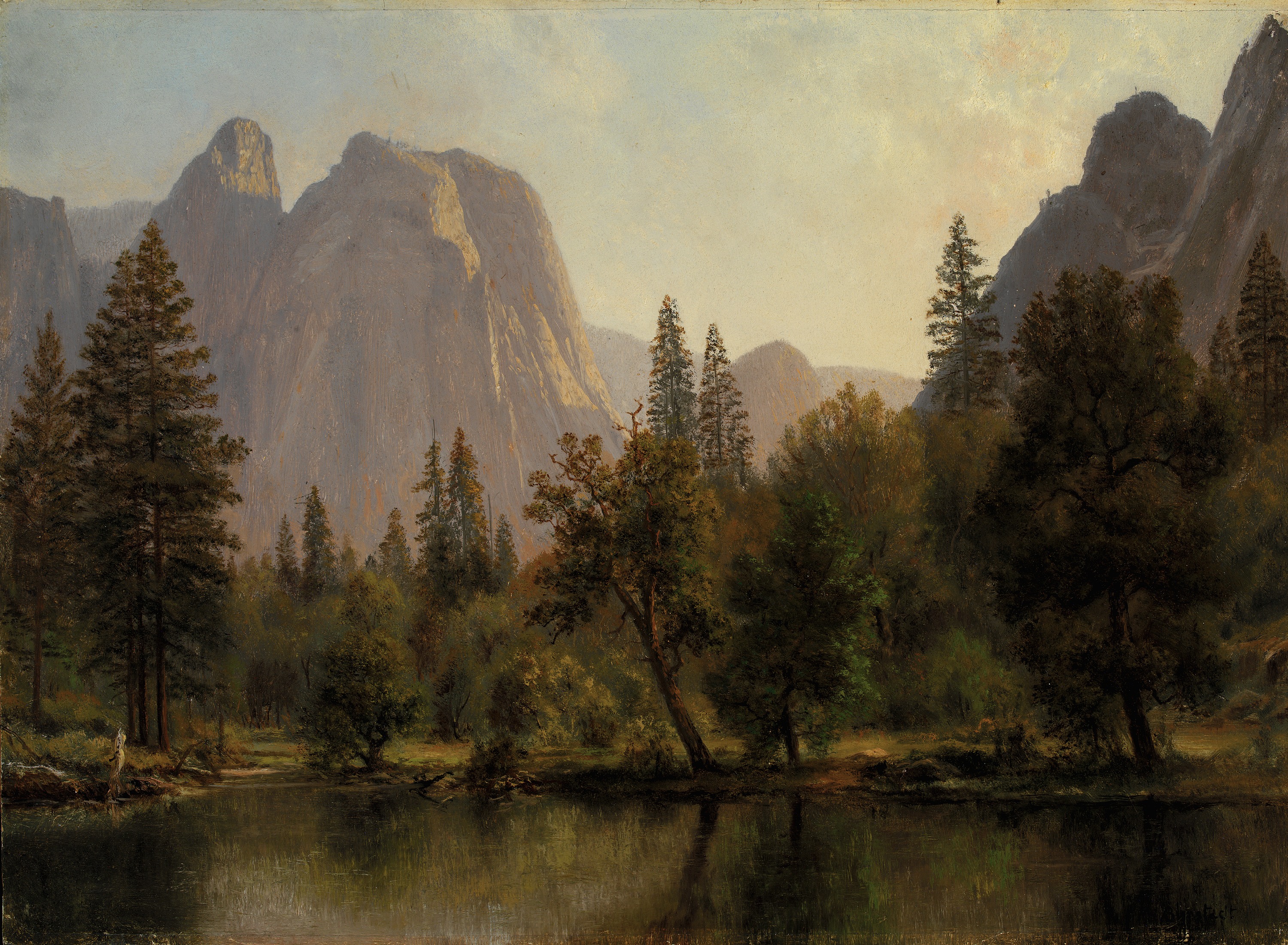
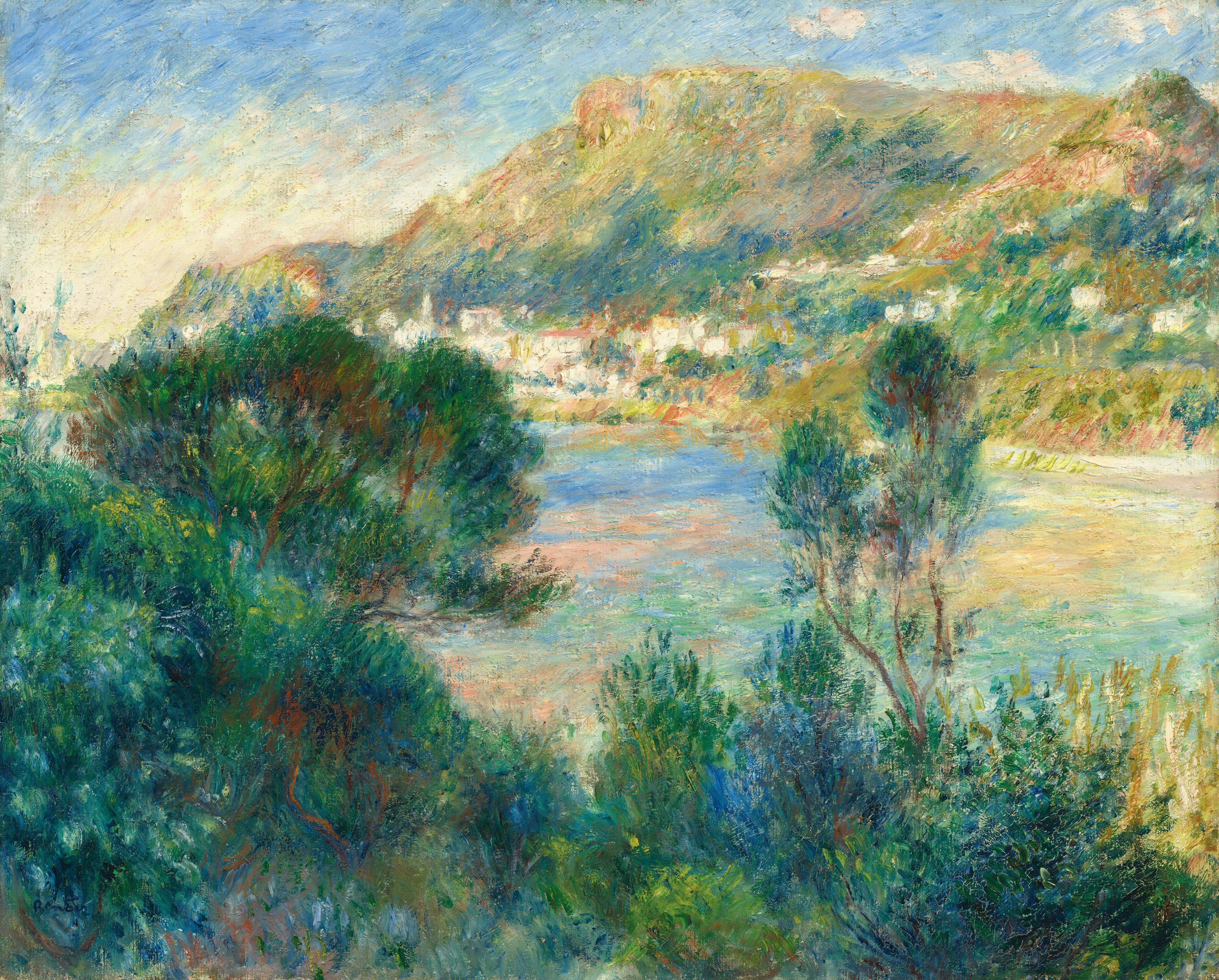
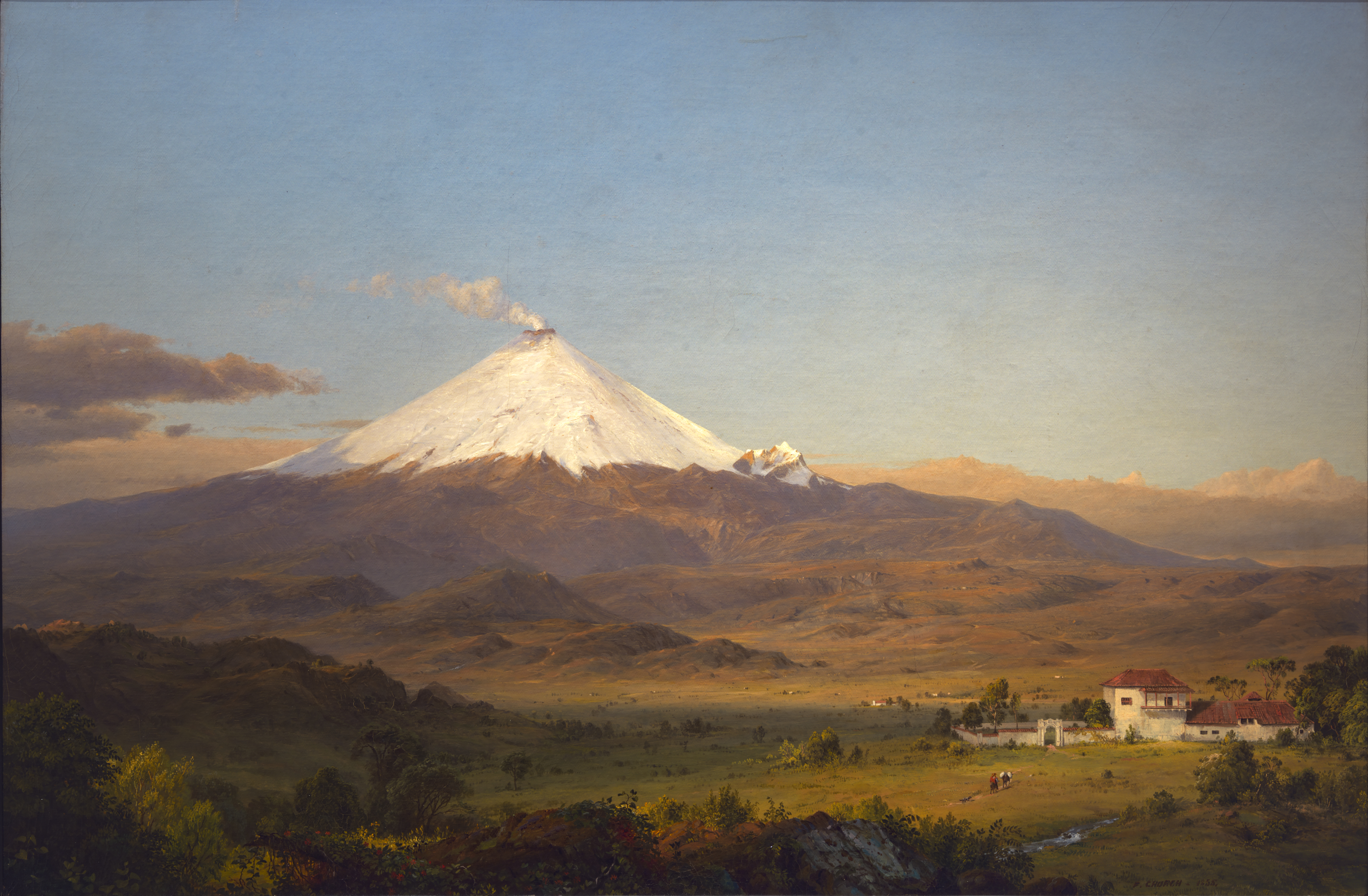
Warm Color Palettes
Utilizing burnt siennas, ochres, and deep cadmium reds to evoke the feeling of late autumn. These colors naturally advance toward the viewer, creating intimacy.
Cool Color Palettes
Relying on ultramarine, cerulean, and sap green. Cool colors naturally recede, which is why they are so vital for painting distant mountains and atmospheric skies.
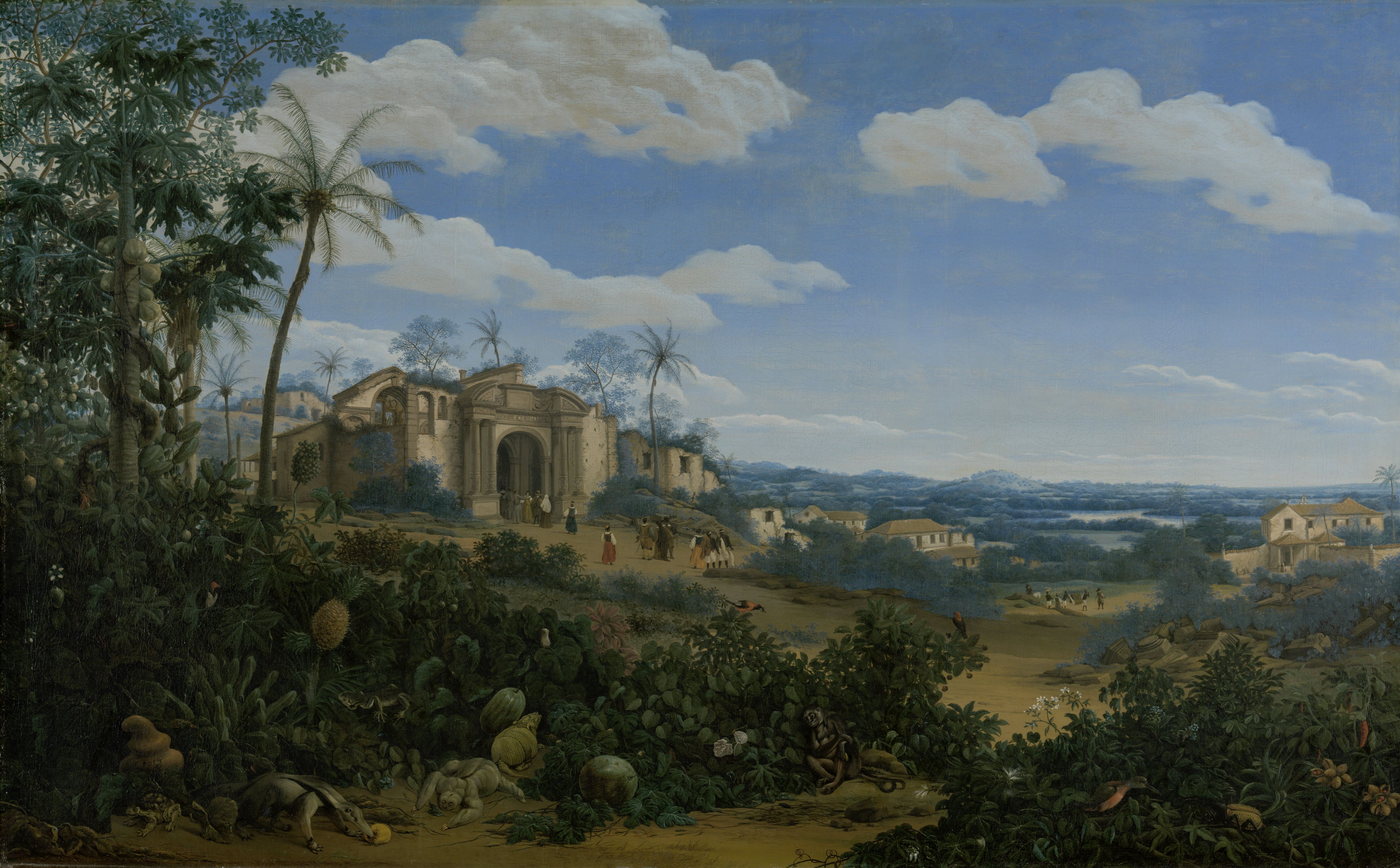
"The landscape belongs to the person who looks at it."
— Ralph Waldo
Emerson
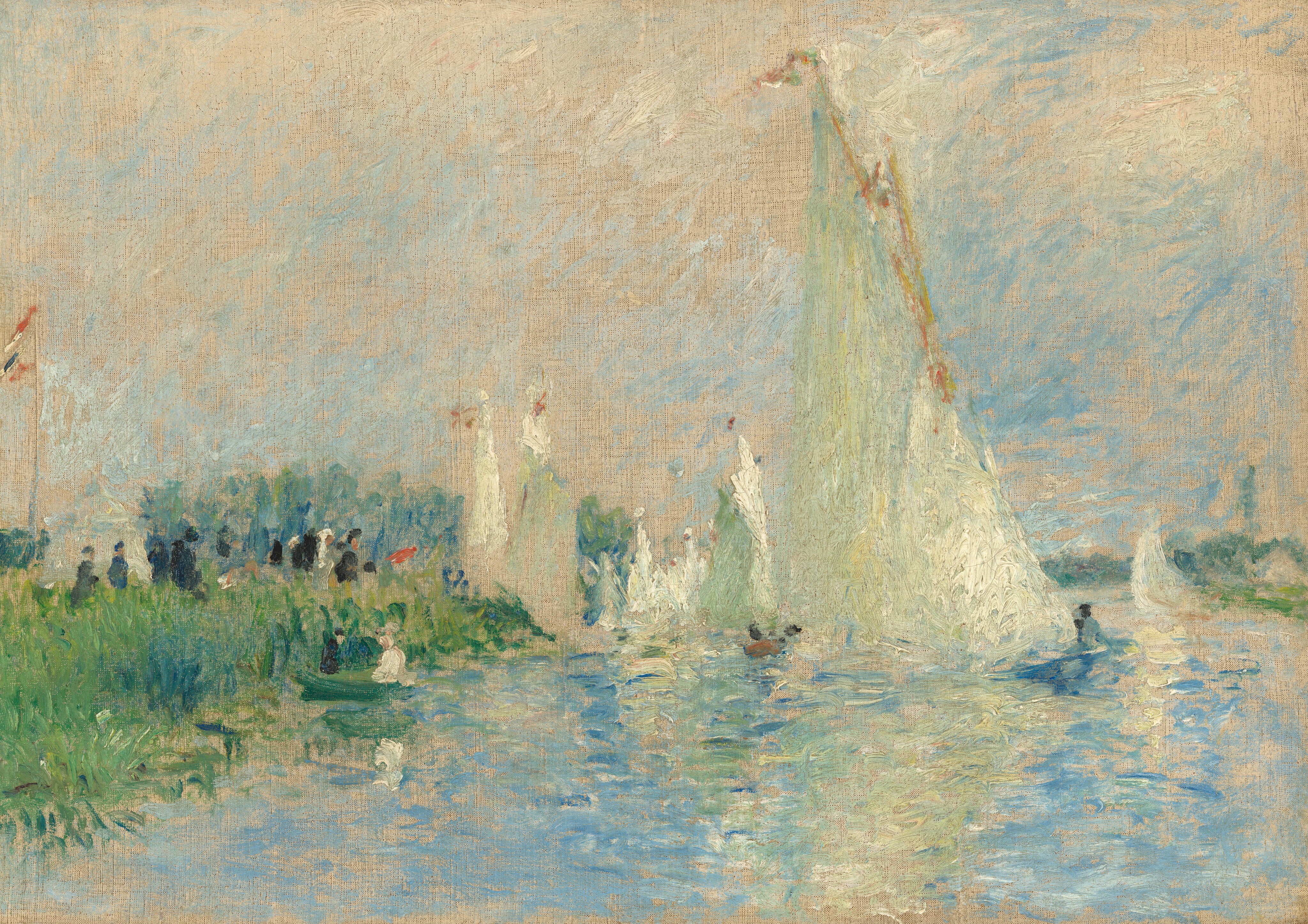
Studying the relentless energy of water. Captured in broad, aggressive palette knife strokes.
"Every artist dips his brush in his own soul, and paints his own nature into his pictures."
— Henry Ward Beecher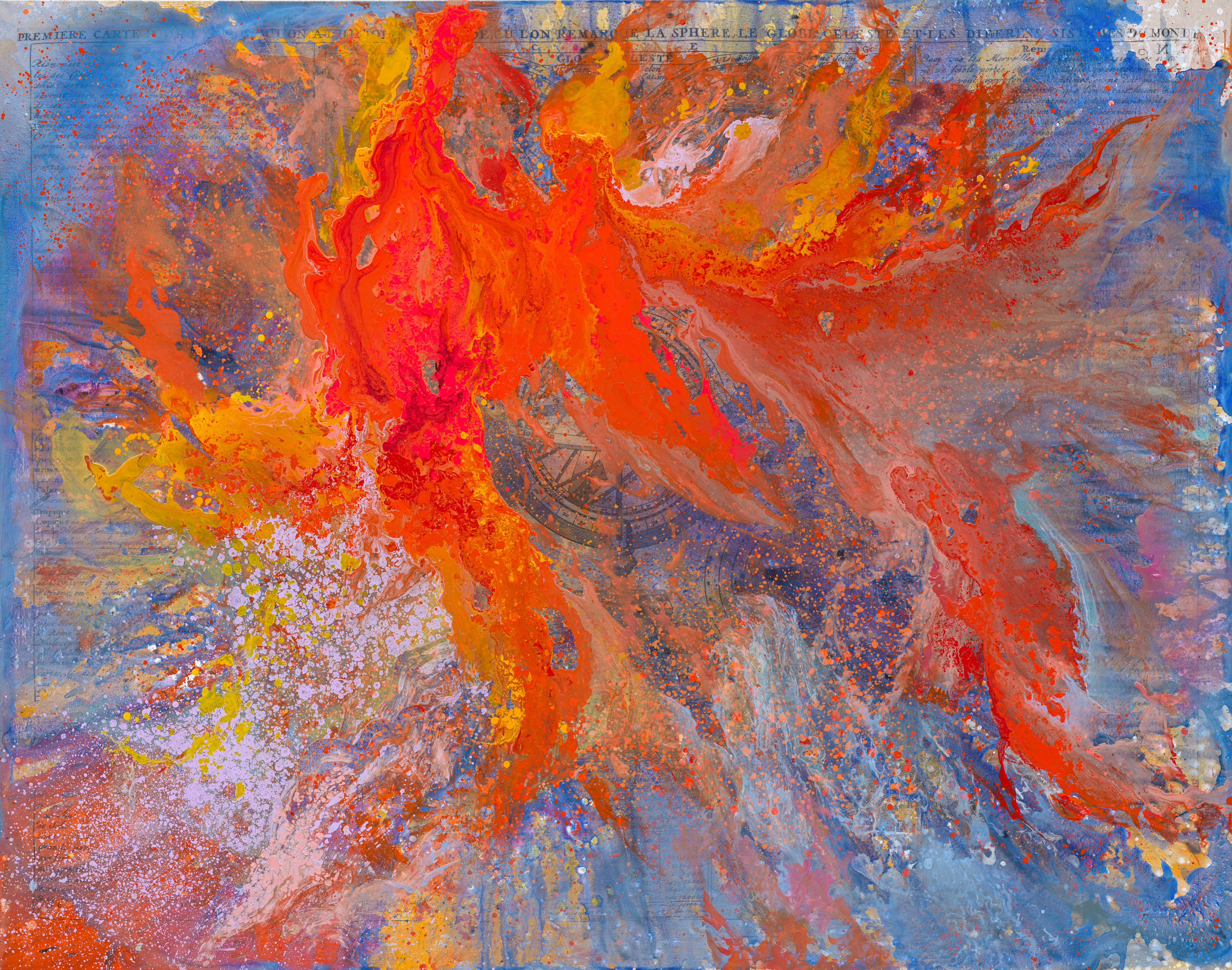
Abstract Geometries
Stripping away realism to focus entirely on the emotional weight of pure form and line.
The Immovable Mass
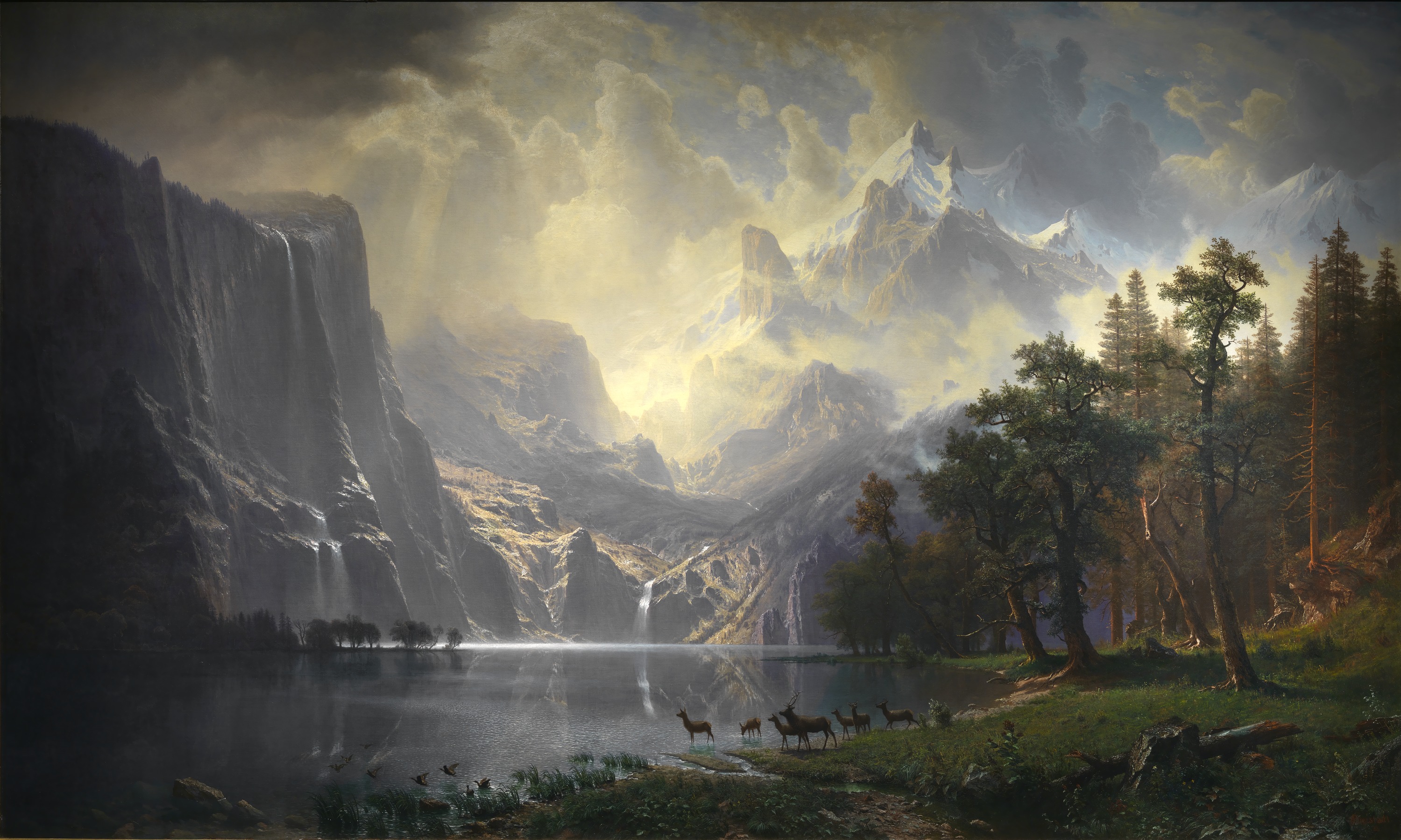
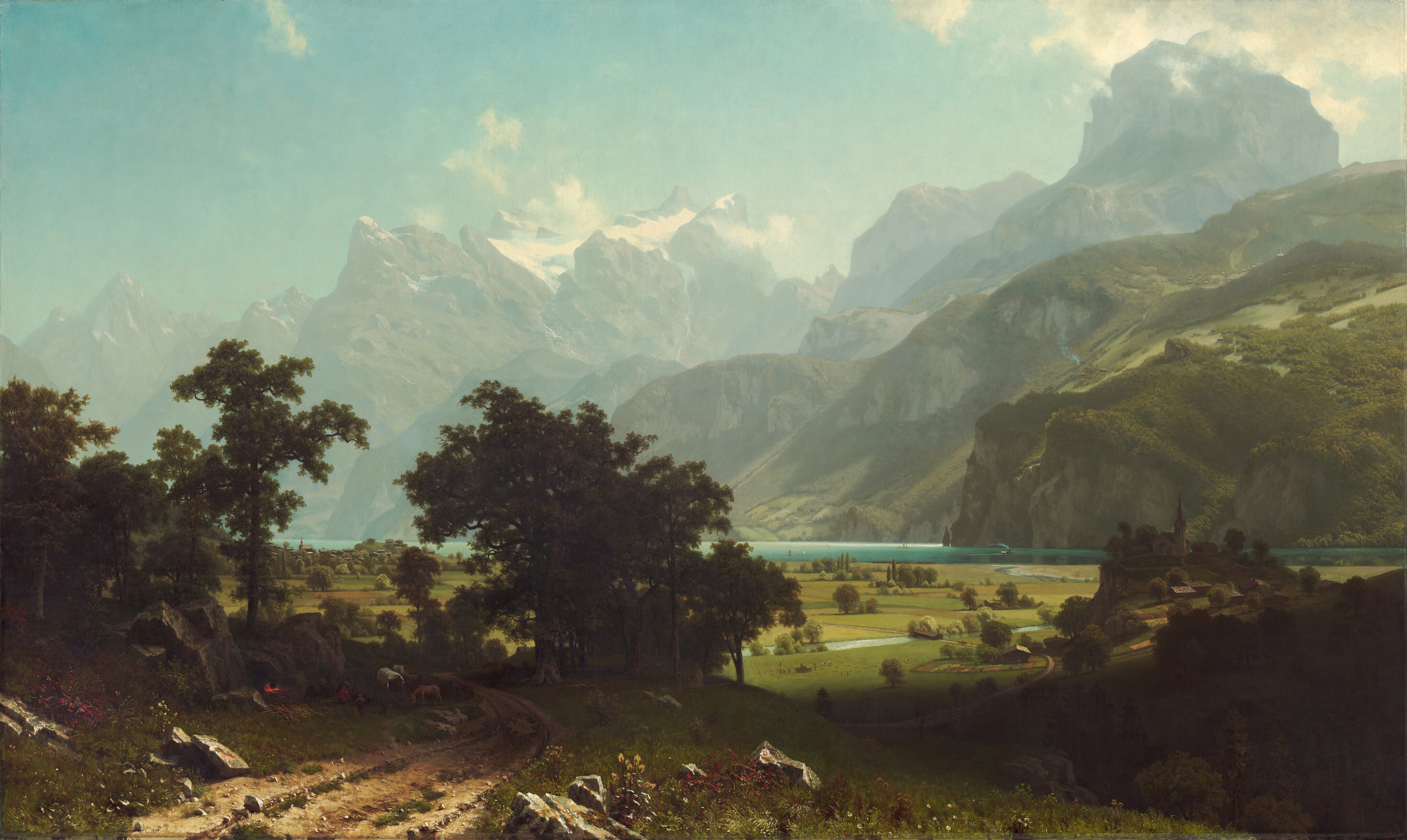
Monuments of rock and ice that force a radical shift in perspective. These pieces capture the cold, indifferent weight of the alpine towering above the human experience.